RANGE ROVER / SPORT L320
Range Rover Sport Limited Edition: the details that set it apart
Red accents, contrasting leather and two very different powertrain combinations gave the first-generation Sport a distinctive special edition.
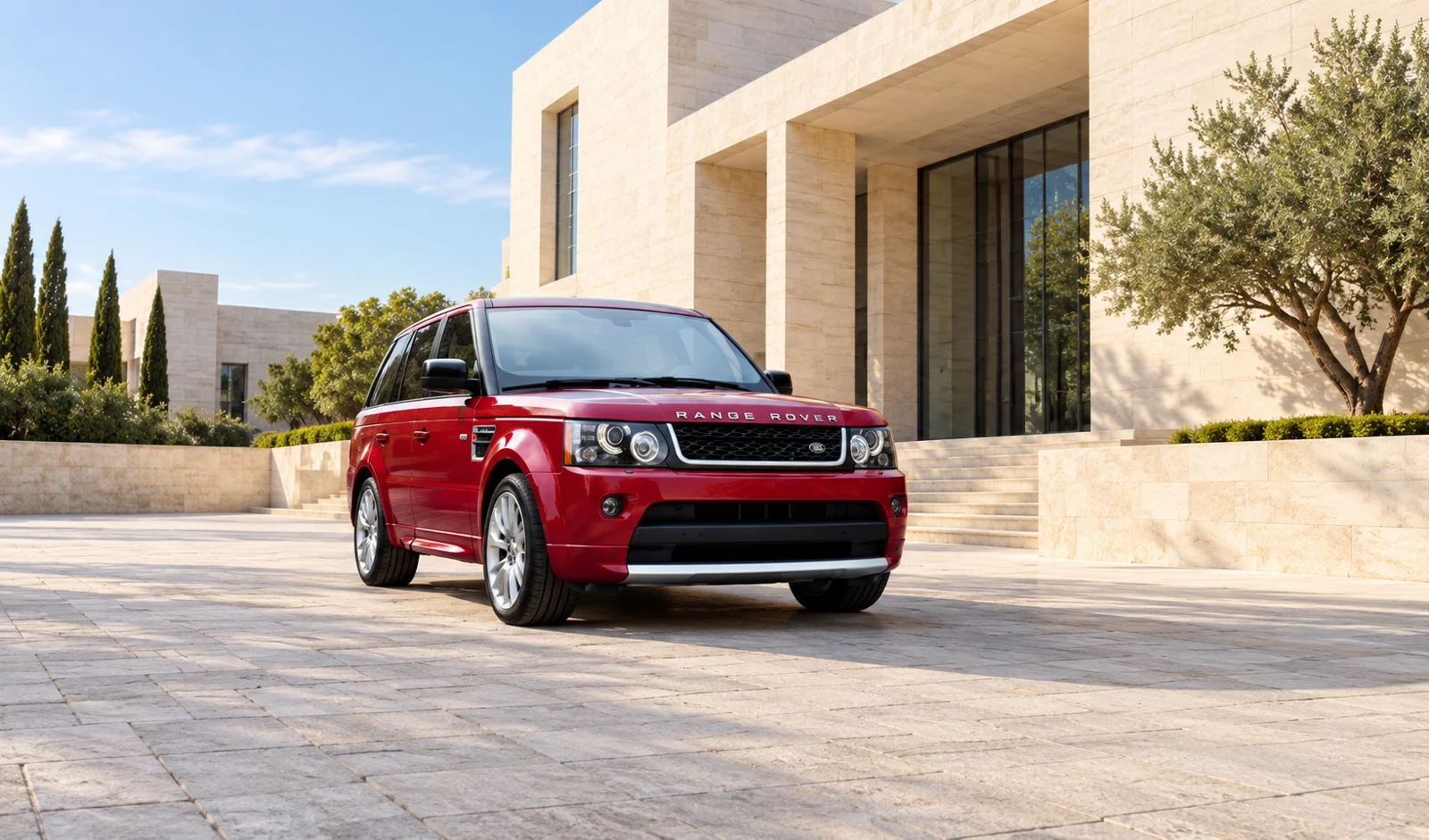
Land Rover presented the Range Rover Sport Limited Edition at the New York motor show on 4 April 2012. It was an equipment and design development of the existing Sport, with a carefully matched exterior and cabin treatment. Later that month it also appeared at the Beijing show alongside the Discovery 4 HSE Luxury and the Victoria Beckham Evoque.
The important distinction is which Sport this was. The announcement concerned the first-generation L320, with its upright body and familiar twin-circle lamp graphics. It did not introduce the next-generation Range Rover Sport. Within the L320 range, the edition made its case through colour, trim and specification rather than a newly announced platform.
At a glance
- World-show announcement: New York, 4 April 2012; subsequent Beijing display on 23 April.
- International announcement: HSE-based specification, four exterior colours and four seat-insert choices.
- Powertrains announced internationally: supercharged petrol V8 with six-speed automatic, or TDV6 diesel with eight-speed automatic.
- North American reporting described a more narrowly specified, 500-car supercharged edition. That number should not be treated as the worldwide total.
A coordinated exterior, rather than a different body
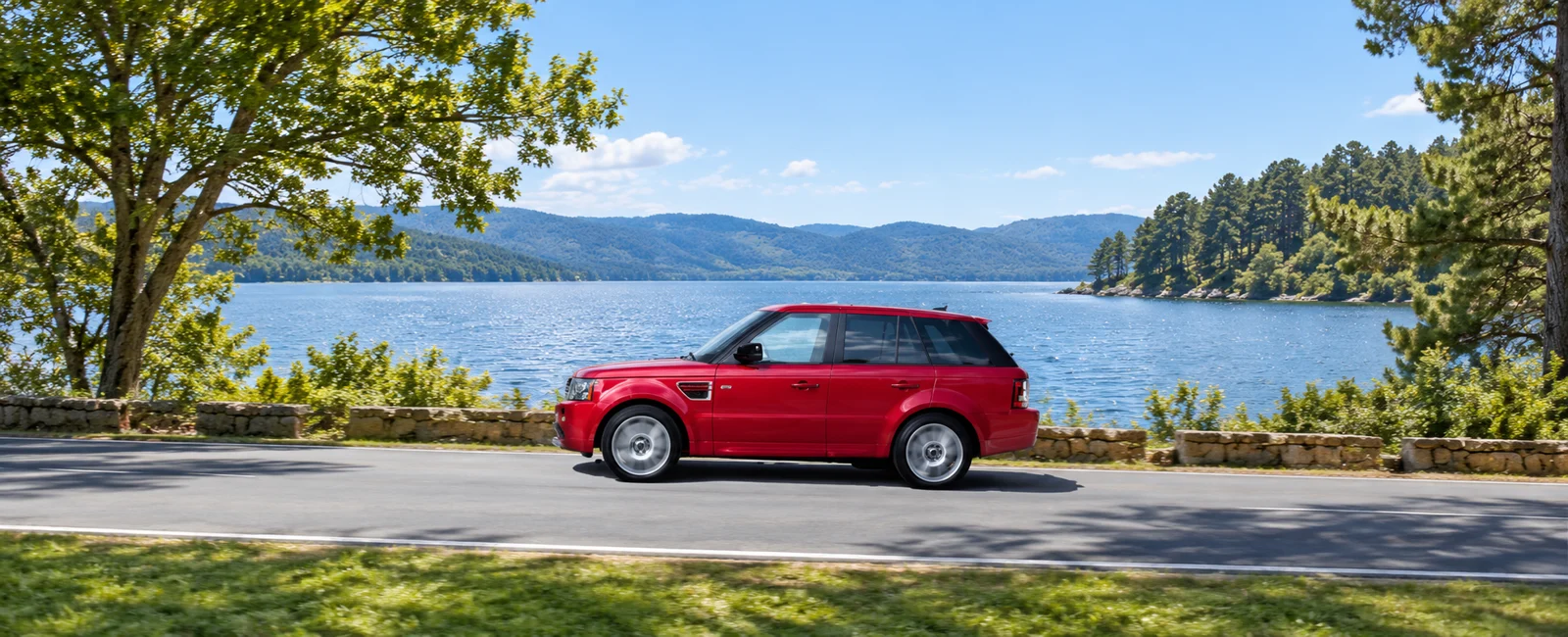
The international colour list comprised Firenze Red, Orkney Grey, Fuji White and Santorini Black. Across those finishes, Land Rover used a Santorini Black mesh grille with a satin-chrome Noble bezel and black surround. Atlas Silver lettering on the bonnet and the tailgate finisher provided a brighter contrast.
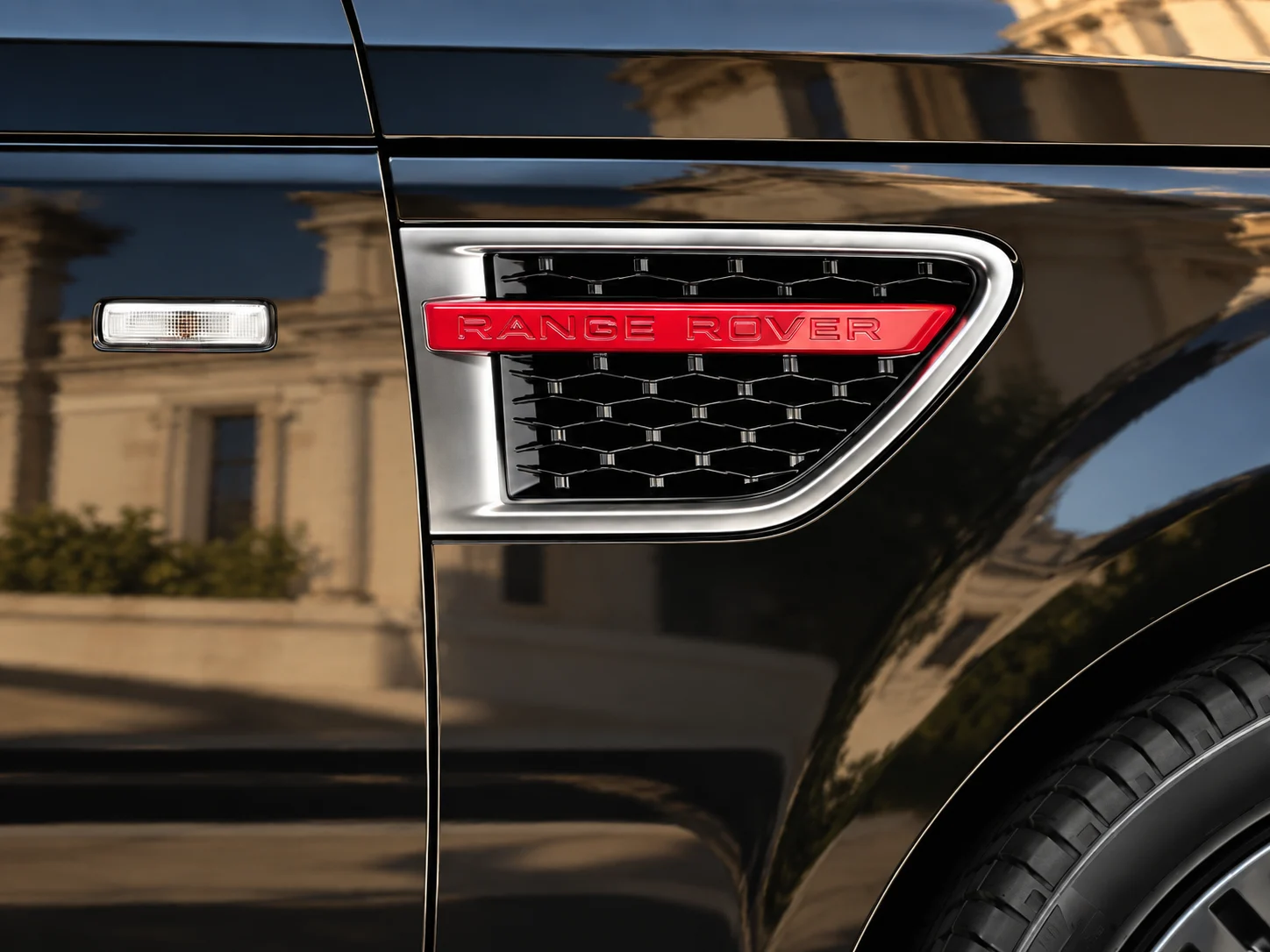
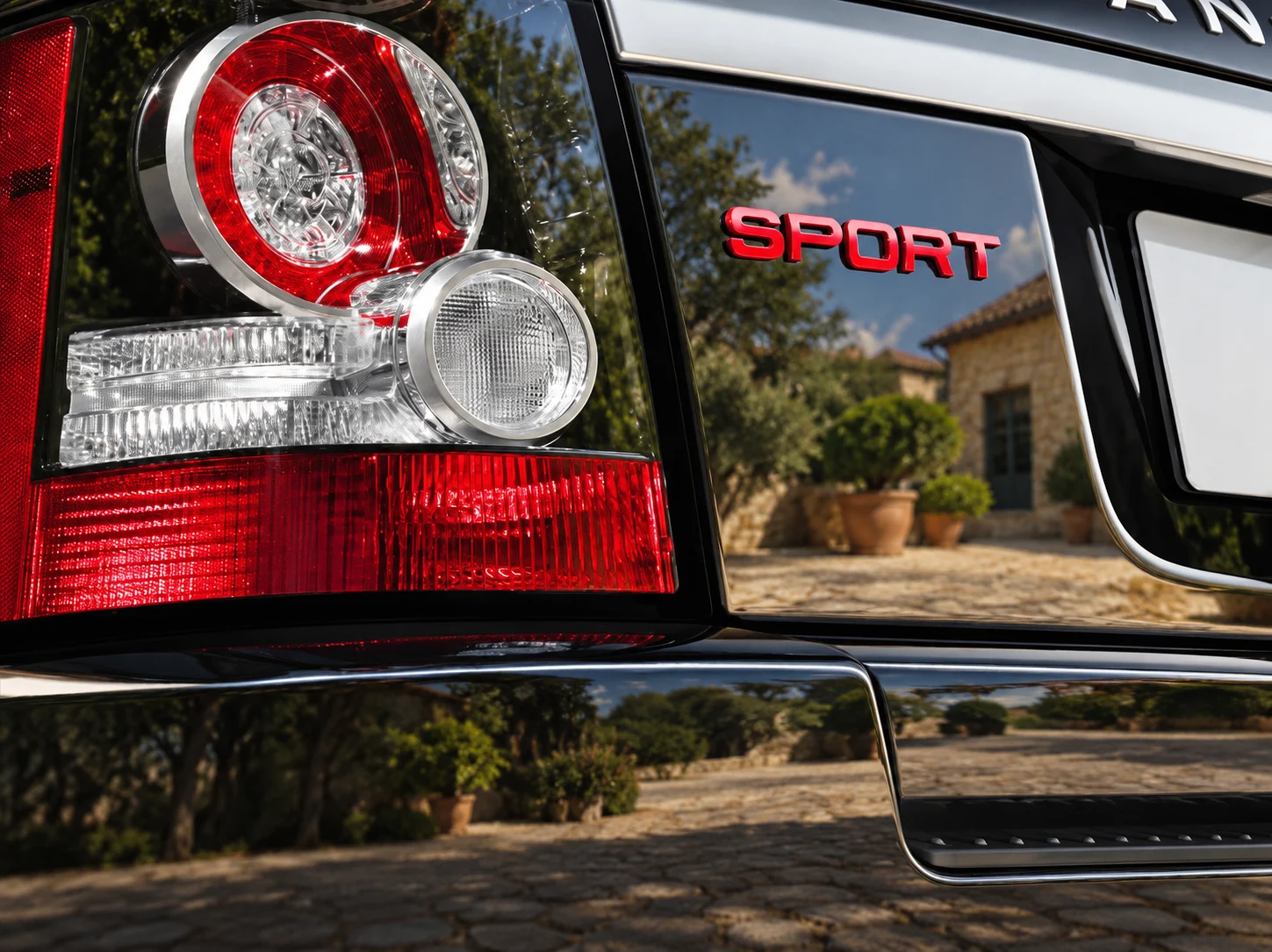
The clearest identifying accents were red: the SPORT lettering at the back and the logo strip in the side vents. Those vents combined a black grille with an Atlas Silver surround. Dedicated 20-inch alloy wheels completed the package. These details are useful together; a red badge fitted to an ordinary car does not by itself establish that it left the factory as a Limited Edition.
Four ways to contrast with Ebony
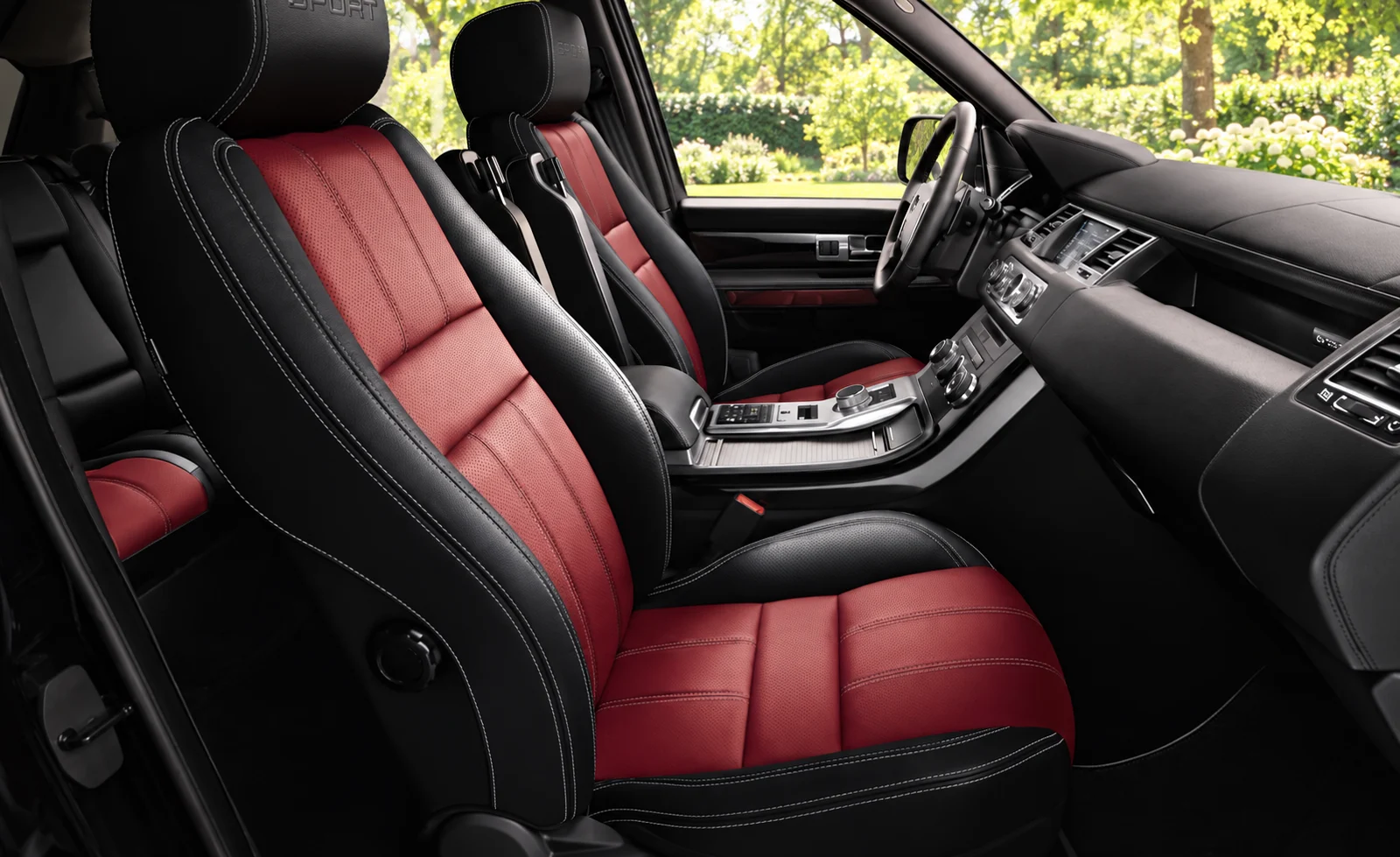
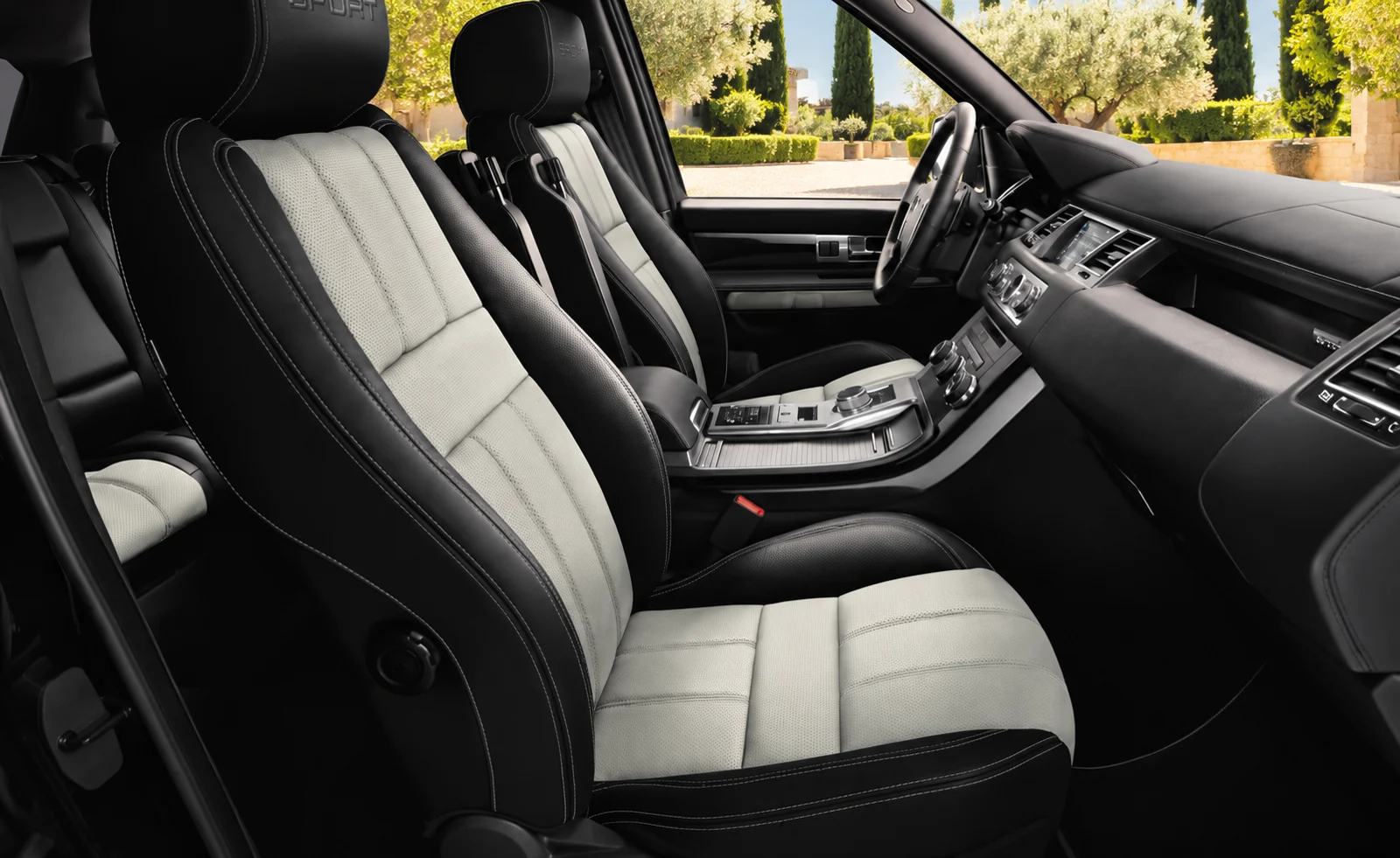
The cabin started with the HSE Ebony colour scheme. Buyers could choose seat inserts in Pimento Red, Cirrus, Lunar Grey or Ebony, with contrasting stitching. This gave the same edition quite different characters: the red seats made the exterior accents part of the cabin, while the pale inserts created a quieter contrast against the black bolsters and dashboard.
SPORT lettering was embossed into the head restraints and embroidered in red on the carpet mats. The changes were specific upholstery and finishing choices, rather than a new dashboard layout. Period interior photographs therefore matter: they show the actual seat design and centre console instead of suggesting equipment from a later Sport.
The petrol and diesel versions did not share a gearbox
The international release paired the 510 PS supercharged LR-V8 with a ZF six-speed automatic, identified there as HP28. Its quoted torque was 625 Nm. The diesel alternative used the LR-TDV6 with the ZF HP70 eight-speed transmission. The extra ratios belonged to that diesel combination; the special-edition name did not make every version an eight-speed car.
This is a more useful distinction than the badge alone when comparing used examples. Fuel type, engine specification and transmission should be established from the individual vehicle. An advert that combines the V8 output with the diesel gearbox description is mixing two different entries from the launch material.
| International launch combination | Transmission | Confirmed figure |
|---|---|---|
| Supercharged LR-V8 petrol | ZF six-speed automatic | 510 PS; 625 Nm |
| LR-TDV6 diesel | ZF eight-speed automatic | Diesel alternative confirmed; output depends on market specification |
Why the American specification needs its own qualification
North American coverage of the same New York programme described a supercharged-based edition limited to 500 examples, with Fuji White or Santorini Black paint. Its equipment list included carbon-fibre trim, contrasting leather and an 825-watt, 17-speaker Harman Kardon system. That is narrower than the international release’s four-colour, petrol-or-diesel description.
The two accounts should not be flattened into one universal specification. A regional production allocation, a regional engine line-up and a global announcement answer different questions. The 500-car figure is therefore useful when discussing the North American offering, but does not establish that only 500 of every international Limited Edition were built.
Reading the edition correctly today
For an existing car, assess the combination: factory specification, upholstery, wheel design, exterior detailing and the relevant market. Trim parts can be changed during a car’s life. Equally, a genuine car from another market may not match an American equipment list. Neither observation is a diagnosis of a fault or evidence of a particular repair.
The Limited Edition’s place in the L320 story is straightforward. It brought a distinctive finish to an established model while retaining the engine and transmission distinctions within the range. Keeping those distinctions visible makes the edition easier to understand than treating every special-edition badge as a mechanical upgrade.
Illustrations recomposed from period press imagery. Image licence.