RANGE ROVER / FOURTH GENERATION
Range Rover L405: the aluminium generation and its connected systems
The fourth-generation Range Rover changed its structure, chassis and electronics while preserving the familiar outline and split tailgate.
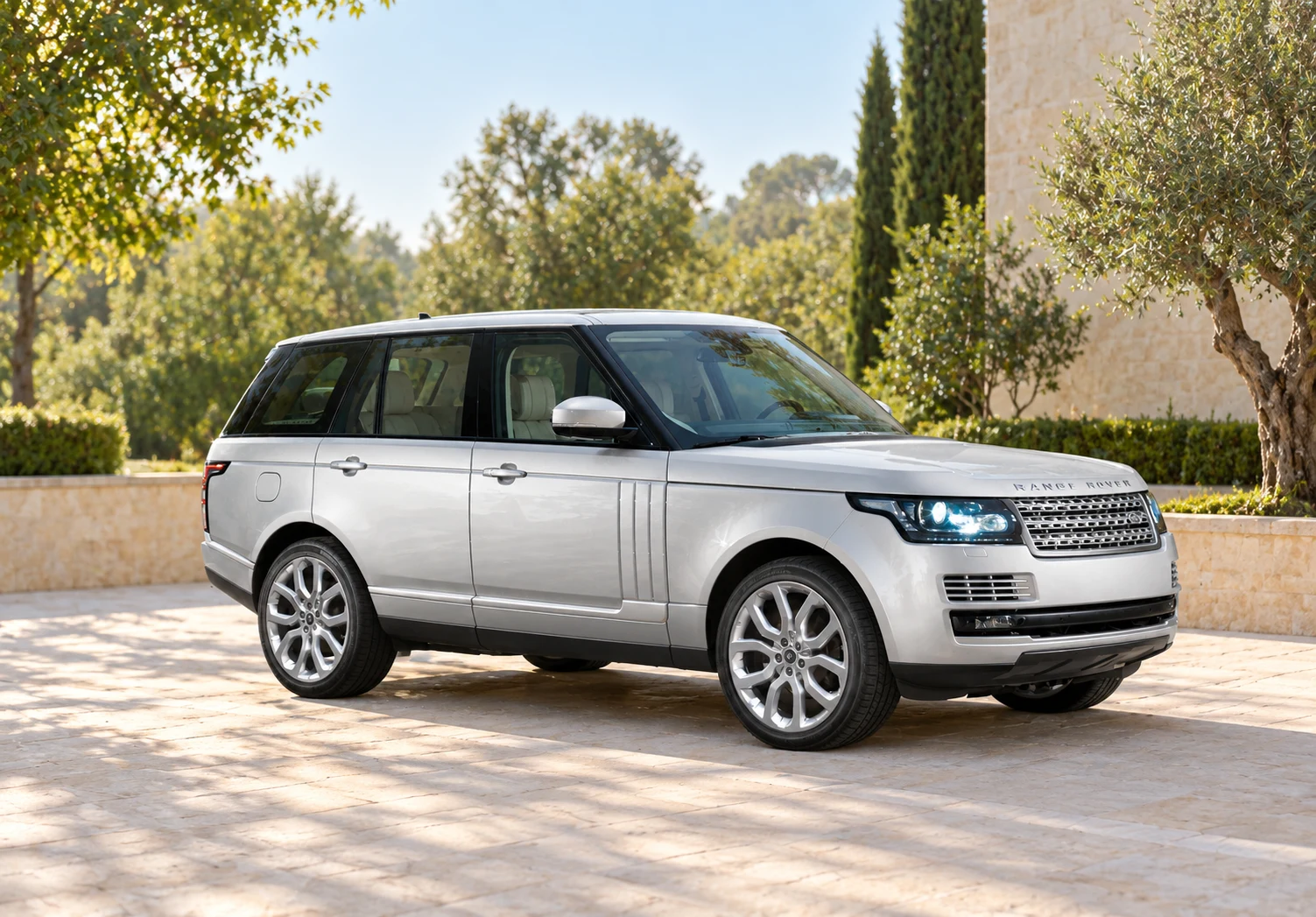
The fourth-generation Range Rover, known by its L405 programme code, received its full technical presentation on 6 September 2012. Initial information and images had appeared in August; the September launch at the Royal Ballet School in Richmond explained the engineering beneath the new shape. It was a complete new generation, not another equipment revision of the outgoing L322.
The most consequential change was an aluminium monocoque body. Around it, Land Rover developed a lighter chassis, a new generation of Terrain Response, revised air suspension, electric power steering and a much more integrated cabin. Keyless access, powered tailgate operation, digital displays and driver-assistance systems made the electronics an important part of the vehicle’s character.
This account concerns the specification announced in 2012. Equipment differed between markets and derivatives, and some technologies were options. Launch plans, engineering claims and homologation figures are identified as such; they are not our own road-test experience or a promise about the condition of every surviving L405.
At a glance
- Full technical reveal: 6 September 2012.
- Aluminium body structure: stated 39% lighter than the outgoing steel structure.
- Maximum advertised complete-vehicle saving: up to 420kg, dependent on the comparison.
- Terrain Response 2 introduced automatic programme selection.
- Four-corner air suspension, two-speed transfer case and permanent four-wheel drive.
- 12.3-inch digital instruments and an 8-inch central touchscreen.
- Smart Key entry/start and powered upper and lower tailgate sections.
A new structure, rather than an aluminium skin
The central change was the load-bearing body itself. Land Rover replaced the previous steel structure with an aluminium monocoque, using pressed panels together with castings and extrusions. Riveting and adhesive bonding joined the structure, drawing on techniques already developed within Jaguar Land Rover. The announcement was therefore about structural engineering, not merely lighter doors fitted to an unchanged platform.
The quoted 39% reduction referred to the body structure. It did not mean the complete vehicle became 39% lighter. Chassis, driveline and other systems contributed additional savings, but the final figure depended on engine and specification. The widely repeated maximum of 420kg involved the new TDV6 installation in comparison with the preceding V8-diesel model; the launch material also described smaller like-for-like savings.
That distinction changes how the headline should be read. A supercharged V8 with extensive optional equipment did not automatically lose exactly 420kg. The important engineering result was a lighter starting structure that supported a wider range of powertrain and equipment combinations. The production body programme at Solihull formed part of a stated £370 million plant investment.
Recognisable proportions, with more space behind
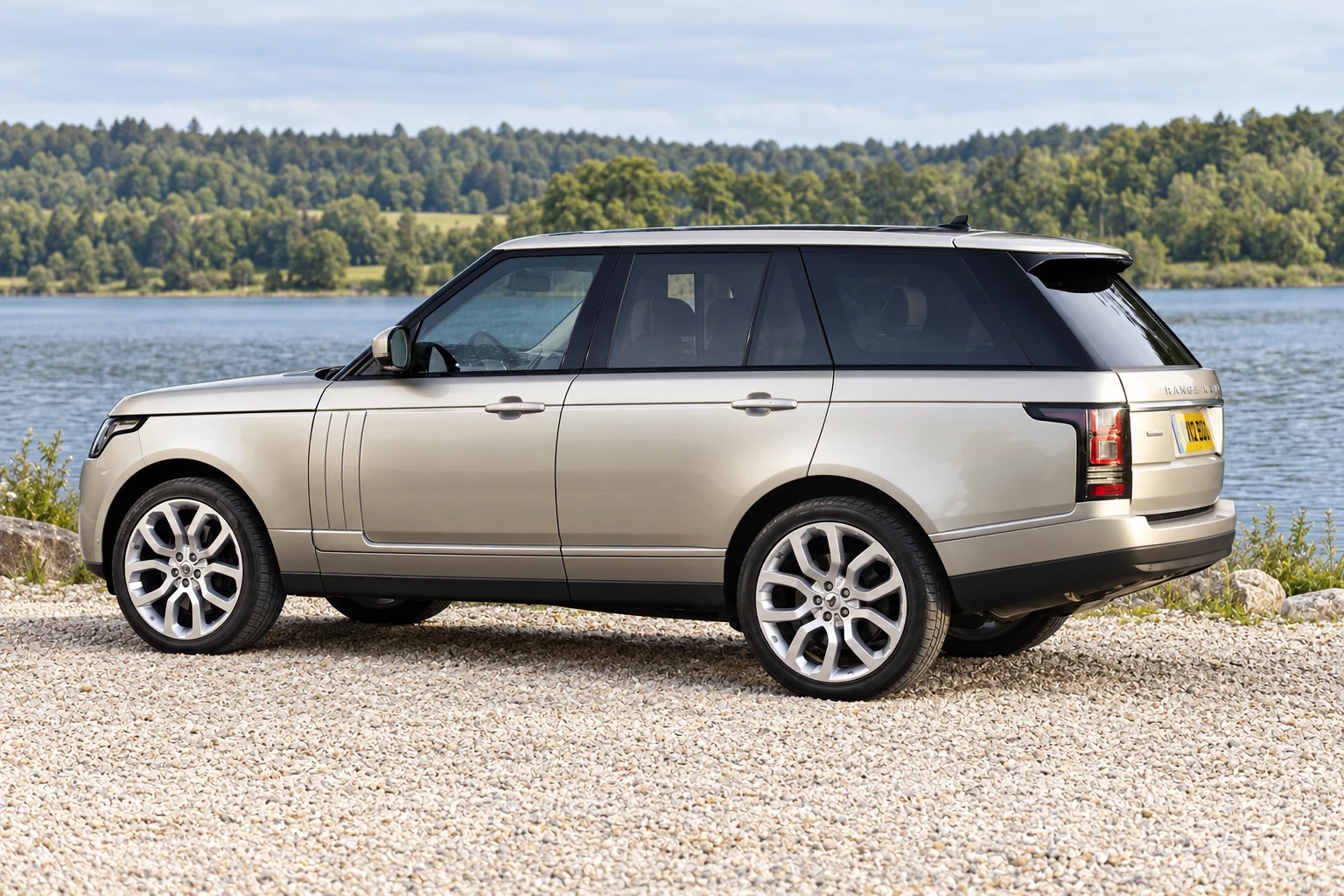
The L405 retained the upright driving position, strong beltline, floating-roof effect and split tailgate associated with Range Rover. At just under five metres long, it occupied a similar footprint to its predecessor. The surfaces were smoother, the glass more closely integrated and the front treatment more streamlined, but the design still made the vehicle’s identity clear.
A 42mm wheelbase increase helped create substantially more rear legroom. The launch descriptions quoted roughly 118–119mm of additional space, depending on the regional material. That gain was not simply a longer exterior body: the packaging of the new architecture helped redistribute usable room.
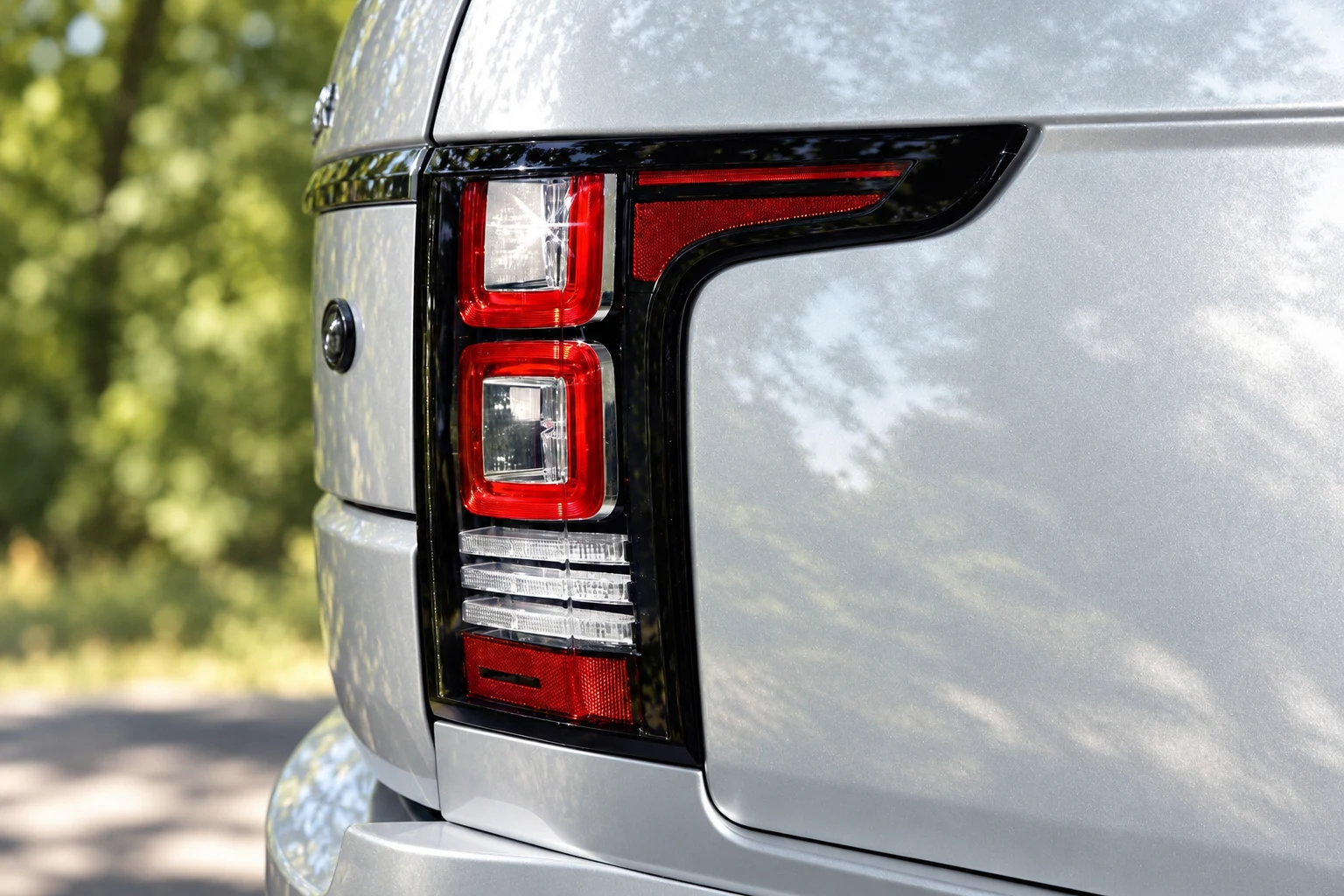
The side trim also changed. The familiar vertical feature moved into the front doors, rather than remaining in the previous wing location. It is a useful visual identifier, but it should not be mistaken for the engine’s main water-protected air intake. Period headlamps and rear-light graphics are equally important when distinguishing an original-launch L405 from later revisions.

Air suspension supported several different tasks
The suspension remained independent at all four wheels, with double wishbones at the front and a multi-link rear arrangement. Aluminium components contributed to the weight programme. Land Rover quoted wheel travel of 260mm at the front and 310mm at the rear, supporting articulation on uneven ground.
Four-corner air springs allowed the body height to change for access and terrain. A lower access setting made getting in and out easier, while the off-road settings raised the vehicle according to the operating conditions and speed. Cross-linking helped maintain useful articulation rather than treating each air spring as an isolated comfort device.
The system’s functions should be kept distinct. Ride height concerns the body’s position; damping concerns the control of movement; active roll control addresses another aspect again. The L405 coordinated them, but one name did not describe every component. A historical maximum clearance figure of 303mm belonged to the appropriate raised condition, not every normal-road setting.
Two off-road heights and a lower access position
The US technical release described two off-road height increments: 40mm and 75mm above the normal setting. The higher position supplied the maximum clearance at lower speeds, while the intermediate position allowed the off-road setting to remain useful at higher speeds than before. The document associated the 40mm position with operation up to 80km/h and described the additional maximum clearance below 50km/h.
Access mode lowered the vehicle by 50mm, 10mm more than the previous arrangement. A larger rear-door opening and slightly lower rear seating position also helped passengers enter and leave. These are complementary packaging measures: the air suspension changed the body height, while the door and seat geometry changed the physical route into the cabin.
The distinction between settings is useful when reading a technical specification. Wheel travel, body-height change and ground clearance are separate dimensions, even though they contribute to the same off-road or access task.
Adaptive Dynamics and Dynamic Response were different systems
Adaptive Dynamics used continuously variable dampers. The launch material described rapid monitoring of body movement and adjustment to driver inputs and road conditions, with the body-monitoring process operating at least 500 times per second. The aim was to combine control with isolation from the road.
Dynamic Response was the active anti-roll arrangement. Its two-channel design could manage the front and rear separately, helping control body lean while preserving flexibility when articulation was needed. It was not another name for the air springs or an automatic guarantee that every L405 had identical suspension equipment.
Specification matters here. For example, the US launch description made Adaptive Dynamics standard across its range and described Dynamic Response as standard on Supercharged. An equipment statement from that market should not be silently applied to every diesel and trim level elsewhere. The vehicle’s build specification remains the appropriate reference.
Terrain Response 2 added automatic programme selection
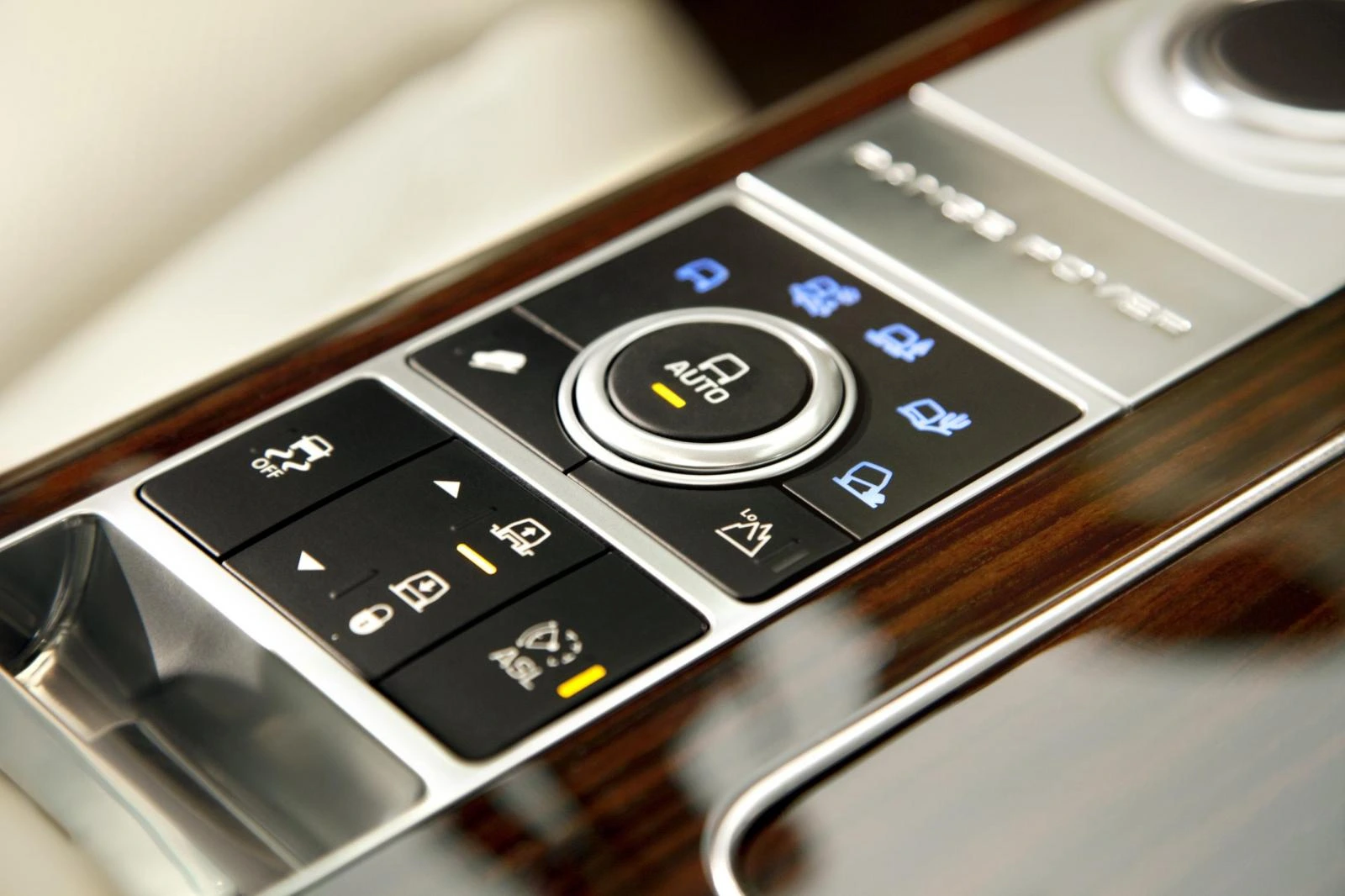
Earlier Terrain Response systems asked the driver to choose a surface programme. Terrain Response 2 added an Auto mode that analysed conditions and selected suitable settings. The familiar categories remained: General, Grass/Gravel/Snow, Mud and Ruts, Sand, and Rock Crawl.
Changing a programme meant coordinating several systems, including engine response, transmission, differentials, traction control and chassis behaviour. Auto mode was therefore a supervisory strategy operating across the vehicle, not simply an extra engine map or a new label on one switch.
The system could also advise the driver to select low range or raise the suspension when appropriate. That distinction matters: automatic programme selection did not turn the vehicle into an autonomous off-road driver. Route choice, obstacle assessment and control of the vehicle remained with the person at the wheel. The launch specification also should not be credited with later Range Rover features merely because they used a related name.
Permanent four-wheel drive retained a low range
Under the new architecture, Range Rover retained permanent four-wheel drive and a two-speed transfer case. The launch technical material described a 50:50 nominal front/rear distribution and a low-range reduction of approximately 2.93:1. This gave the vehicle a different drivetrain brief from a road-focused saloon with an intermittently engaged front axle.
Electronic traction functions worked with the mechanical driveline. An active rear locking differential was available according to specification, adding another means of managing traction. It should not be assumed present solely because the vehicle has Terrain Response or a particular exterior appearance.
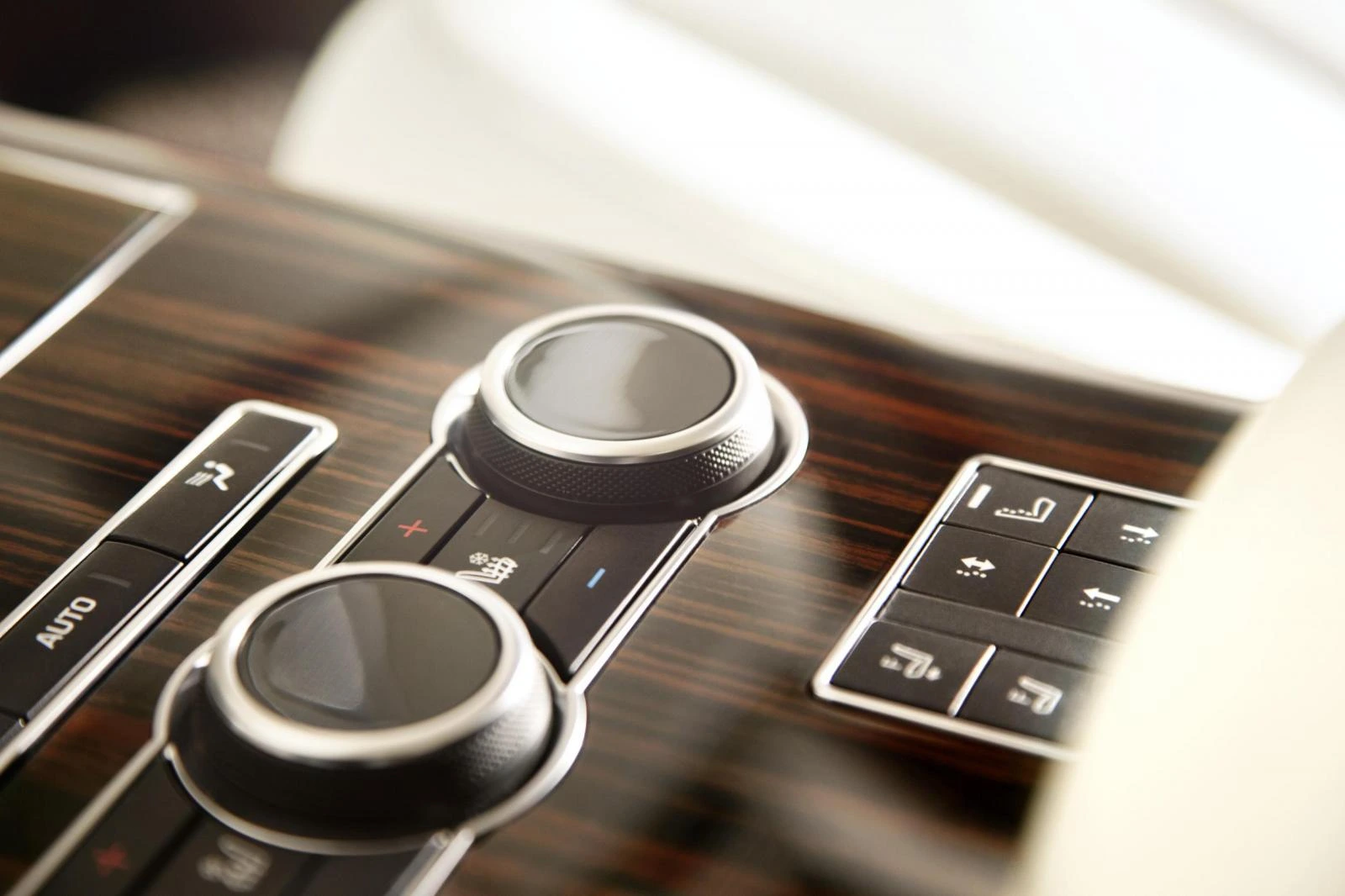
The controls gathered transmission selection and terrain functions into the centre console. The rotary Drive Select gear controller and the terrain controls had separate jobs. Their proximity made them part of the same visual arrangement, but a gear-selection complaint and a terrain-system warning would still require identification of the affected function.
Wading depth came from engineering, not a display claim
The launch increased the stated maximum wading depth by 200mm to 900mm. The air-intake arrangement used channels beneath the bonnet, placing the intake path away from the side trim that could otherwise be mistaken for a conventional open wing vent. Raised suspension and body geometry also contributed to the vehicle’s terrain capability.
A maximum engineering figure is not permission to enter any water of that depth. Surface, current, entry angle and the vehicle’s condition all affect an actual crossing. The historical claim explains the launch target; it does not describe a test we performed or establish that an old vehicle retains every original seal and component condition.
The launch programme also quoted a maximum trailer capability of 3,500kg. As with wading depth, that number needs the correct specification and applicable operating limits. It should not be turned into a blanket towing entitlement for every engine, market, towbar or licence category.
Engines: the global range and the US range differed
The European launch line-up included a 3.0-litre TDV6 diesel with 258PS and 600Nm, a 4.4-litre SDV8 diesel with 339PS and 700Nm, and the 5.0-litre supercharged V8 petrol with 510PS. All were paired with an eight-speed automatic. The lower weight helped make the six-cylinder diesel a viable entry point for the new flagship.
The US launch programme instead described a naturally aspirated 5.0-litre V8 at 375hp and the supercharged V8 at 510hp, using the units published for that market. It did not offer the same diesel range. A global engine list is therefore not a specification sheet for a US vehicle.
The German announcement quoted 0–100km/h in 7.9 seconds for TDV6, 6.9 for SDV8 and 5.4 for the supercharged V8. These were manufacturer figures for the relevant launch versions. They should not be confused with 0–60mph times or presented as independent measurements. Similarly, published consumption figures came from the period test cycle and particular specifications.
| European launch engine | Published output | Published torque | Transmission |
|---|---|---|---|
| 3.0 TDV6 diesel | 258PS | 600Nm | Eight-speed automatic |
| 4.4 SDV8 diesel | 339PS | 700Nm | Eight-speed automatic |
| 5.0 supercharged V8 petrol | 510PS | 625Nm | Eight-speed automatic |
Smart Key changed the normal access and starting routine
The L405 launch specification included Smart Key keyless entry and push-button starting. In normal use, the authorised key could remain with the occupant rather than being inserted into a conventional ignition lock. Access and starting nevertheless remained different functions within an authorised sequence.
A remote button failing, a door not responding and the vehicle not recognising a key for starting are different observations. The presence of Smart Key does not establish which part is responsible when one function fails. Nor does the launch announcement prove that a particular replacement key or control module will work without checking the vehicle and component identities.
For a present-day enquiry, describe exactly what the vehicle and each existing key still do. Our Smart Key diagnostics page explains the relevant service context. The historical feature description is not a claim that every access or starting fault can be solved by programming alone.
Both tailgate sections gained powered operation
The split tailgate remained a defining Range Rover feature, but the upper and lower sections could now be operated electrically. The launch material described controls through the key, the driver’s position and the tailgate buttons. This combined a familiar physical arrangement with a more convenient operating routine.
Soft-close door latching was another comfort feature offered according to specification. It should be distinguished from central locking: bringing a door into its final latched position is not the same task as authorising access. The mechanisms, inputs and symptoms can differ.
These features also explain why a precise symptom description matters. “The boot does not work” could refer to release, powered movement, a switch or a particular gate section. The launch story establishes what functions existed; it does not diagnose a current actuator or control problem.
Digital instruments, with physical controls still in use
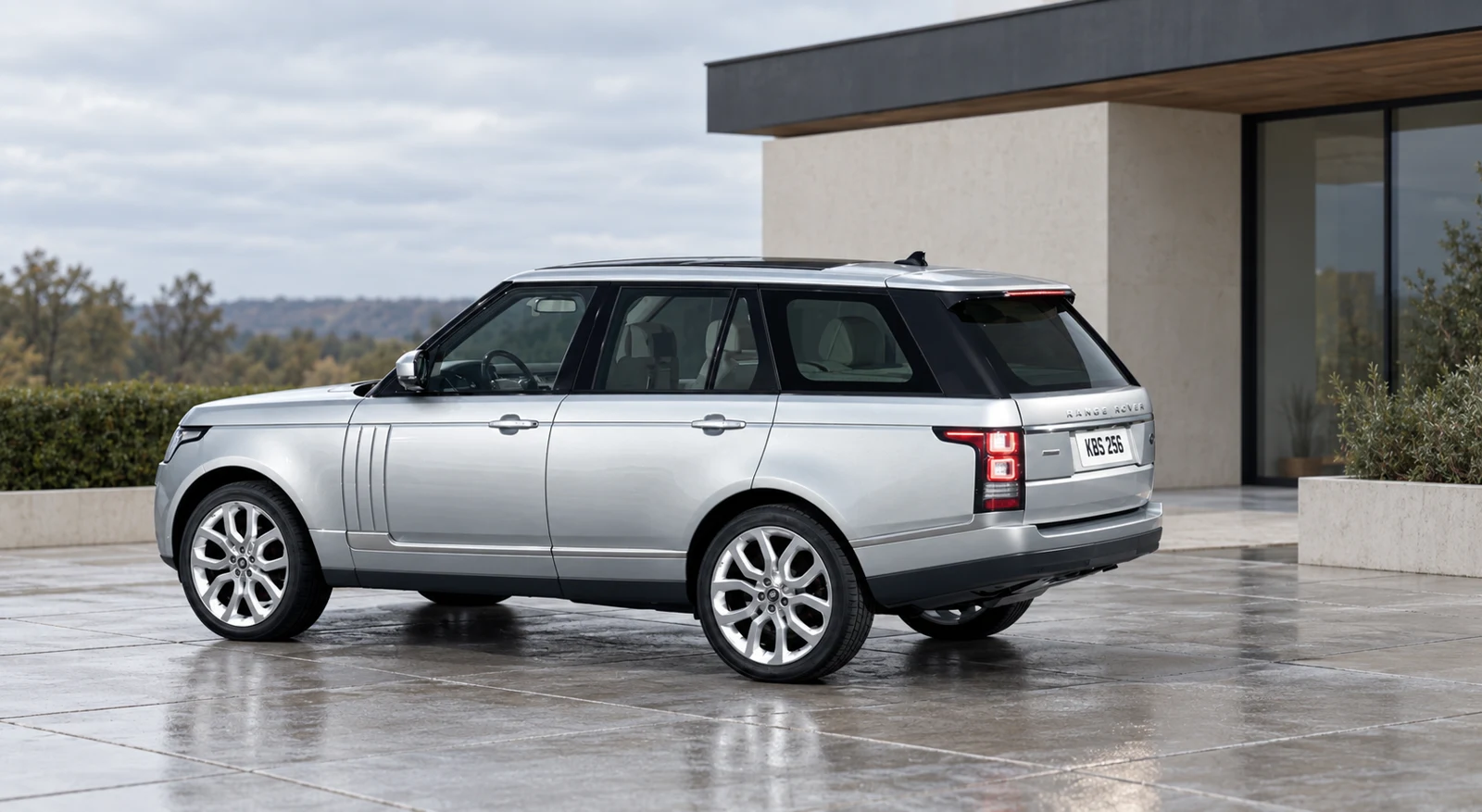
The driver faced a 12.3-inch digital instrument display, while the centre of the dashboard used an 8-inch touchscreen. This was a period-specific arrangement: the cabin did not use the later twin-touchscreen centre stack. Climate knobs, switches and the rotary selectors remained physical controls.
Land Rover described roughly half as many switches as before, achieved through reorganisation and integration. That does not mean every control became virtual. The broad centre console, separate display positions and familiar horizontal dashboard architecture gave the technology a restrained setting.
Touchscreen functions included audio, phone, navigation and vehicle settings, with voice control and mobile-device connectivity. Dual View was offered in the launch technology programme, allowing different viewing content according to position. Its presence and the available media functions still depended on market and equipment, rather than the screen’s appearance alone.
Meridian audio was a family of installations
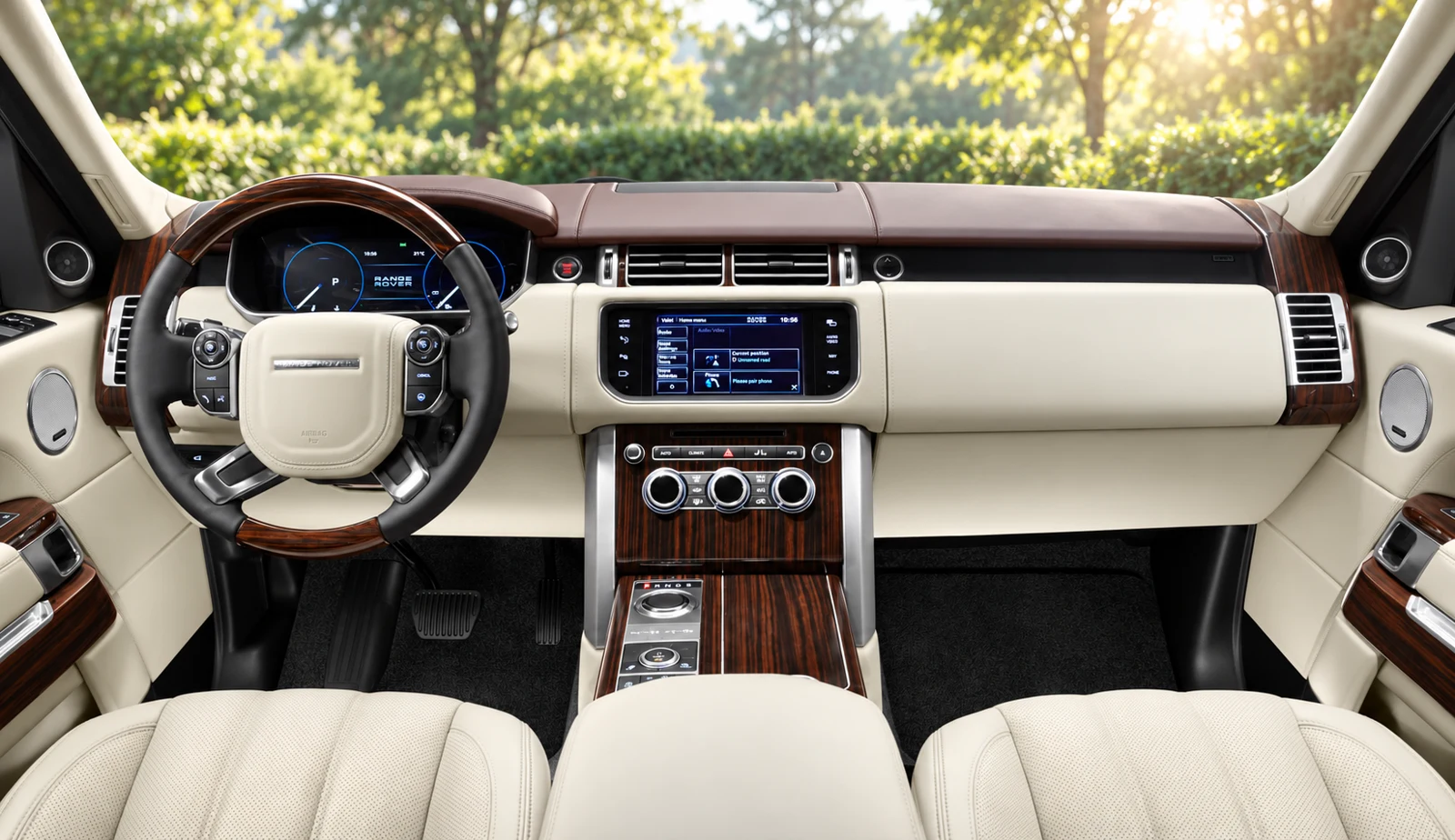
The new Range Rover offered three Meridian audio levels. At the top, the launch programme described a 1,700W Signature system with 29 speakers, including speakers positioned to support a three-dimensional sound field. That figure should not be assigned to every car with a Meridian badge.
The systems used cabin-specific processing and different hardware arrangements. Speaker placement, amplifier specification and the fitted option level mattered more than the brand name alone. The period detail photographs show the integration of the grilles into the door trim, but do not reveal the complete system specification by themselves.
We have not conducted a listening test of the launch cars. Descriptions of surround processing, acoustic correction and speaker count here come from the technical material. They explain the equipment’s architecture without turning promotional language into an independent judgement about sound quality.
Rear-seat luxury was an option structure, not one universal cabin
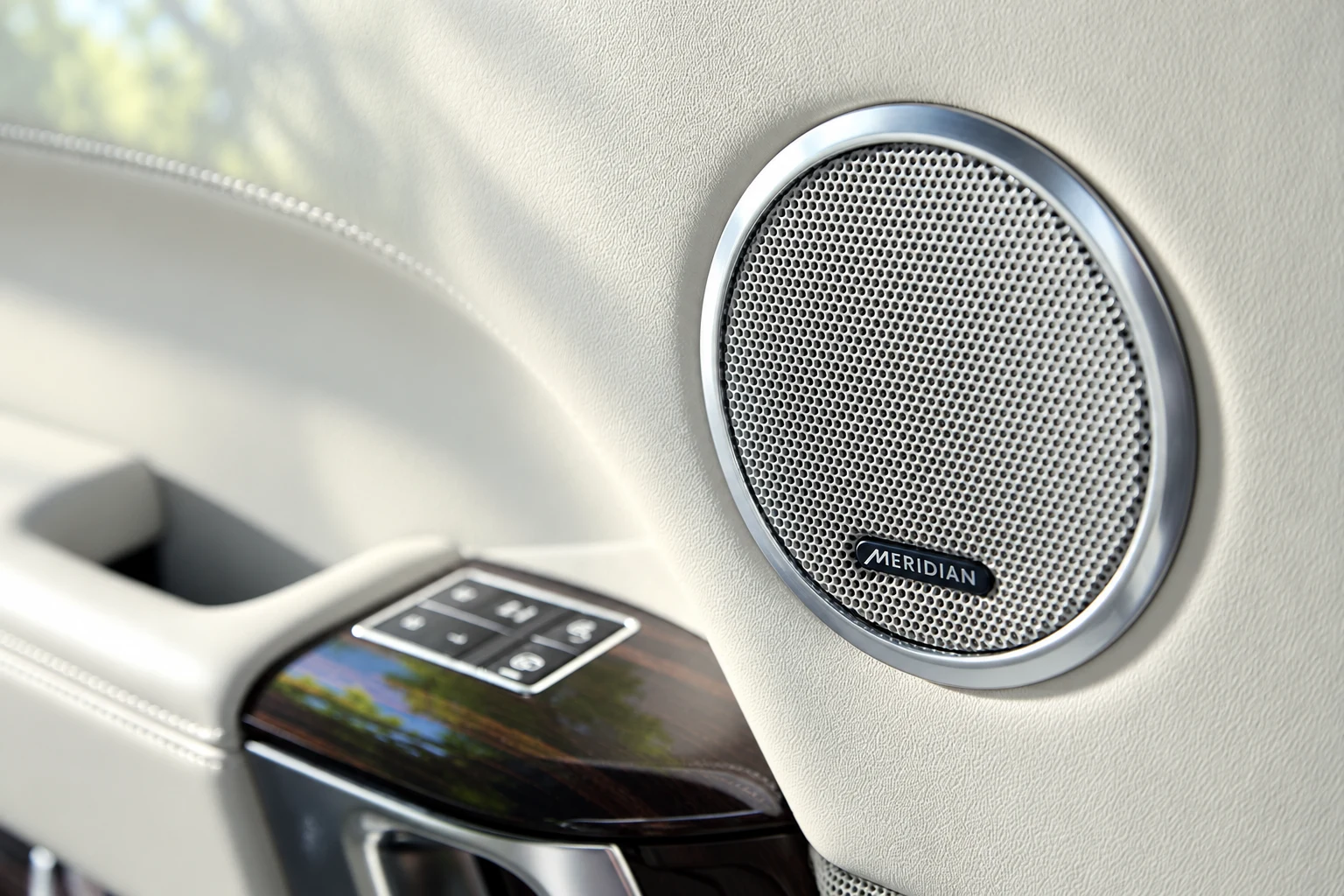
The extra rear legroom supported a more spacious conventional rear compartment and the optional Executive Class two-seat arrangement. The latter changed the seating brief, giving the rear occupants individual positions and additional comfort functions. It did not make every L405 a four-seat vehicle.
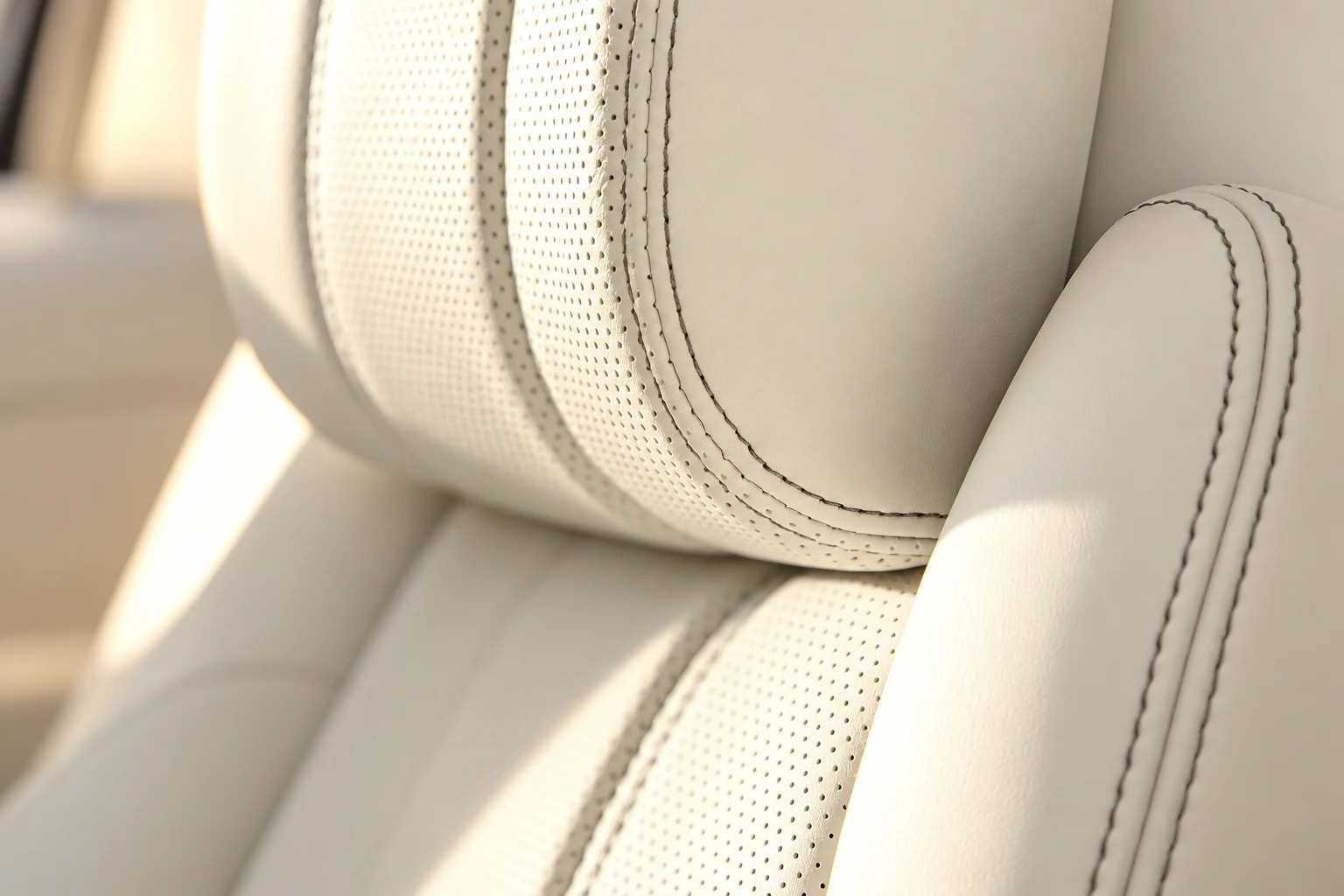
Higher specifications offered front seats with up to 20 adjustments and massage functions. Materials included different leather grades, veneers and carefully finished metal details. The range of possible combinations explains why two launch-period interiors may look different while belonging to the same generation.
Climate equipment also varied, with a four-zone system among the premium options and rear controls according to configuration. A panoramic roof, rear entertainment and additional convenience features could further change the cabin. For a historical specification, those choices should be listed as options where appropriate rather than gathered into an imaginary fully equipped standard car.
Electric steering enabled a new kind of parking assistance
Electric power-assisted steering replaced the previous steering-assistance approach and made automated steering input for Park Assist possible. The system could identify a suitable parallel space and steer during the manoeuvre, while the driver retained responsibility for the vehicle and operated the other required controls.
This was a defined parking aid, not a self-driving function. It depended on sensing, steering assistance and the driver’s cooperation. The same distinction applies when reading a used-car equipment list: a camera or parking sensors do not, by themselves, establish the presence of Park Assist.
The steering change was part of a wider chassis programme, so it should not be reduced to an isolated convenience option. It affected packaging and control integration as well as the features that could be offered to the customer.
Climate control and stationary comfort
The launch programme also reorganised cabin temperature control, offering a premium four-zone system alongside other configurations. Separate rear settings made particular sense with the Executive Class seating option, where the rear compartment had a more individual character. The physical climate controls remained part of the centre stack rather than requiring every adjustment through the touchscreen.
A Park Heater timer facility appeared in the convenience programme, allowing the appropriate fitted system to be scheduled. Cooler compartments, power-operated rear child locks and configurable ambient lighting were further examples of functions spread around the cabin. They belonged to the broader convenience architecture, with availability dependent on specification.
Taken together, these details show how the L405 developed luxury through controls and systems as well as leather and veneers. The exact combination remains a build-level question: one car’s rear climate panel, cooler or seat controls should not be used as a universal illustration of every version.
Radar, cameras and cruise control expanded the assistance package
The launch technology programme included Adaptive Cruise Control with Queue Assist, allowing the system to continue operating at low speeds and down to a stop under its specified conditions. The US description explained that resuming after a stop involved driver input. This was support within a controlled operating envelope, not unrestricted autonomous traffic driving.
Other options included blind-spot monitoring with Closing Vehicle Sensing, reverse traffic warnings and the surround-camera arrangement. Camera functions could help with junction visibility, trailer alignment and reversing guidance. They were different aids using different information, rather than one system that could see every hazard.
Intelligent Emergency Braking and related brake assistance also appeared in the programme. Availability and activation conditions mattered, including association with the relevant cruise-control equipment in the US specification. A historical feature name is not enough to establish the precise safety capability of an individual car.
Refinement involved more than adding softer seats
The launch engineering work addressed noise and vibration through the structure, engine mounting and glazing. Acoustic treatment of the windscreen and door glass formed part of the approach, alongside changes intended to isolate unwanted mechanical noise.
These were design measures aimed at a quieter, more settled cabin. The manufacturer also described an 18-month development programme in more than 20 countries, covering extremes of temperature and surface. Such a programme documents the scale of development; it does not prove that every later vehicle will remain fault-free.
The aluminium body, suspension control and cabin materials were intended to work together. Looking at only the engine output misses much of what made the generation change substantial.
A launch in one year, with market-specific delivery plans
The September announcement opened order books and described introduction across 170 markets. UK pricing began at £71,295 for the stated Vogue TDV6 specification; the German announcement described a different entry specification and January delivery plan. The US programme described December availability. These were market-specific launch plans, not one worldwide first-delivery date.
The launch also discussed a future diesel-hybrid programme. In a 2012 account, that belongs to the plans announced at the time; it should not be listed as an already available launch powertrain. The same discipline applies to equipment added during the L405’s later life.
For owners and workshops now, the useful starting point is the actual vehicle: market, engine, build specification and original module identities. If a replacement unit is involved, our module-information guide explains what to preserve before making an enquiry. The L405’s integrated systems make accurate identification more useful than treating a model name as a complete technical specification.
The manufacturing investment behind the launch
A separate announcement on 6 September 2012 described £370 million invested in UK manufacturing for the new Range Rover. Solihull gained an aluminium body shop alongside changes to paint application, trim assembly, warehousing and customer handover facilities. The investment explains the industrial work behind the architecture; it should not be read as equipment fitted to the vehicle itself.
Vehicle and material illustrations recomposed from launch-period press imagery. The two control-detail images retain their original technical geometry. These illustrations do not document a particular event or our own test. Image licence.