LAND ROVER / FREELANDER 2
Freelander 2 updated: passive start, a new console and more capable electronics
The most useful changes were inside: the key dock disappeared, the parking brake became electric and a new console reorganised the controls.
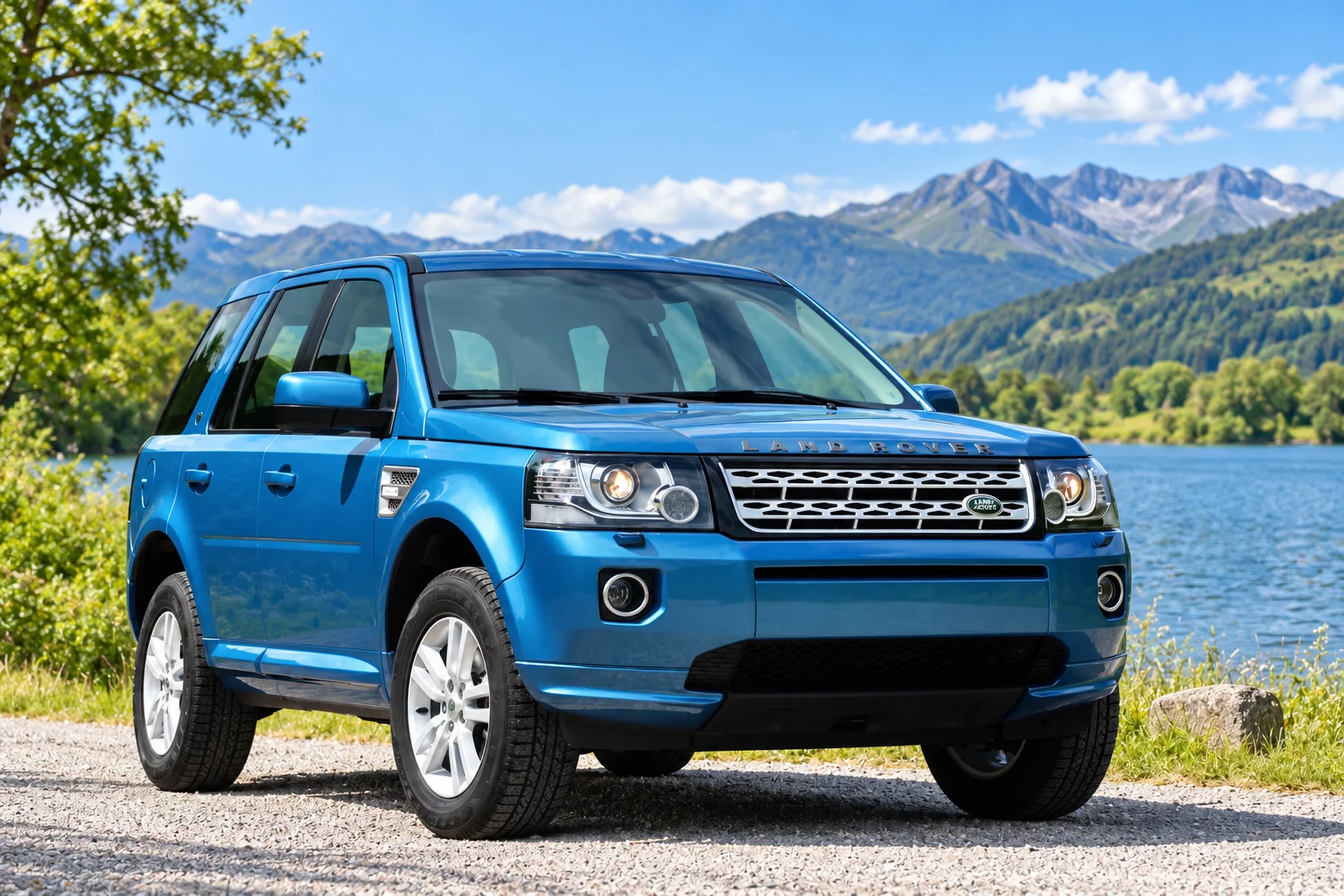
Land Rover announced a substantial Freelander 2 update in August 2012. The international release is dated 22 August, with detailed British and American announcements following on 23 August. The public motor-show debut was scheduled for Moscow on 29 August, and UK sales for October. Although described as a 2013-model-year vehicle, this is an update announced in 2012.
The familiar five-door body remained, but the cabin changed in ways that affected everyday operation. Passive Start replaced the key dock, an electric parking brake replaced the mechanical handbrake, and a new centre console brought different displays and Terrain Response buttons. Outside the UK, a turbocharged four-cylinder petrol engine also replaced the previous six-cylinder petrol unit.
At a glance
- Announcement: August 2012; Moscow show debut: 29 August; UK sales announced for October.
- Passive Start replaced the key-docking arrangement; that statement concerns starting, not an automatic promise of passive door entry.
- New electric parking brake, centre console, instruments and media equipment.
- UK range retained 2.2-litre diesels, including front-wheel-drive eD4 and four-wheel-drive TD4/SD4.
- The new Si4 petrol engine was offered in other markets, including the American LR2, and was explicitly not a UK offering.
A recognisable Freelander with revised lighting
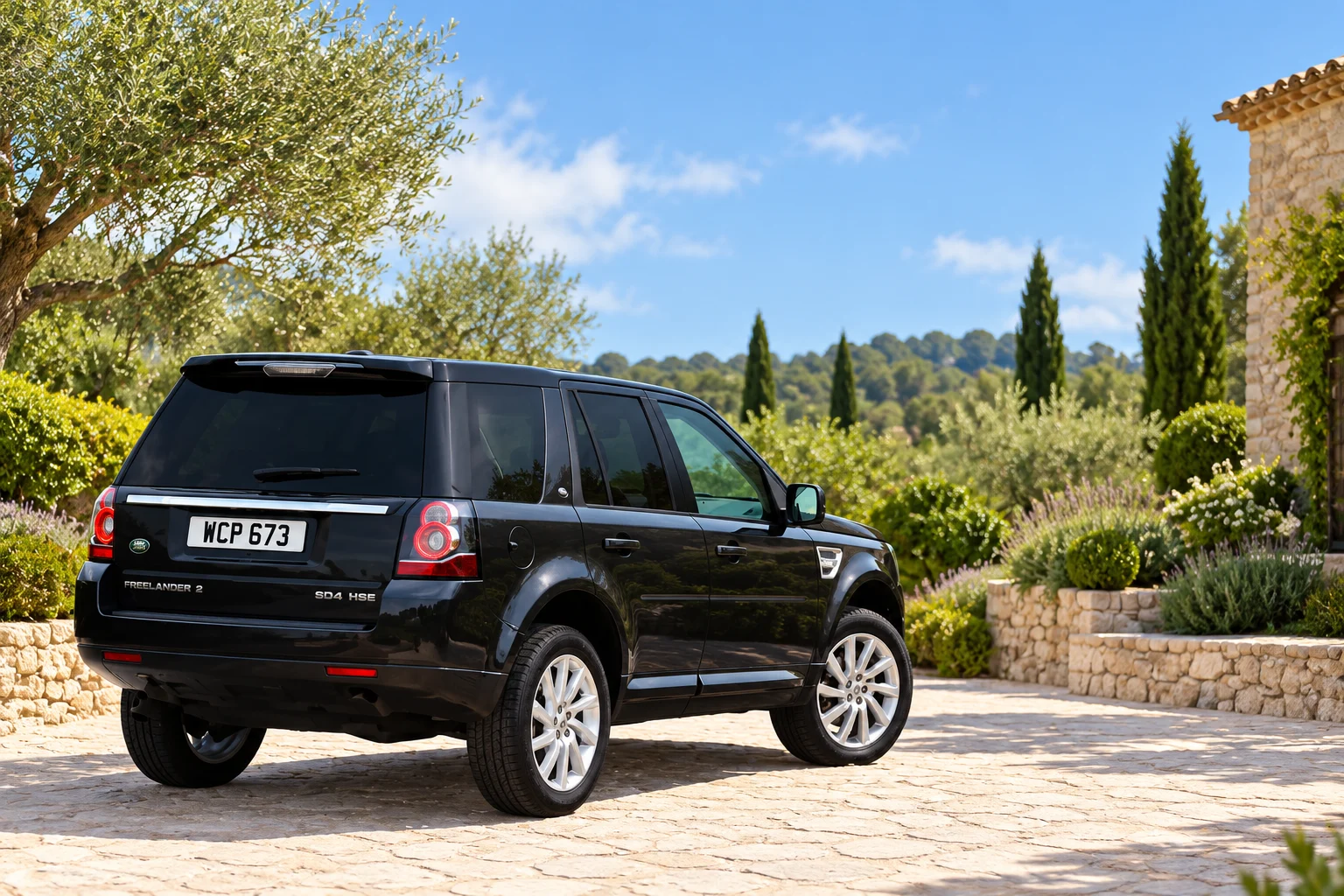
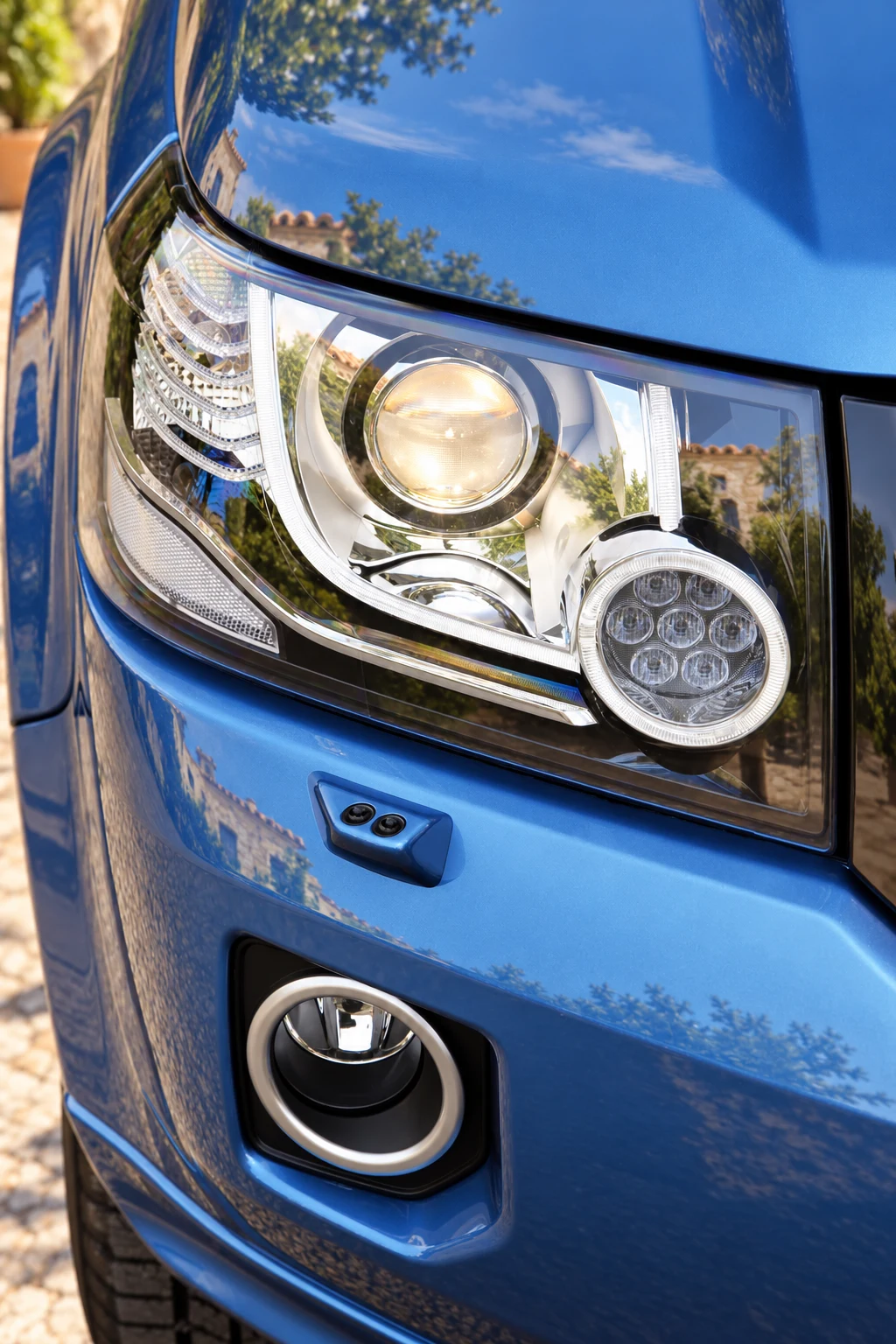
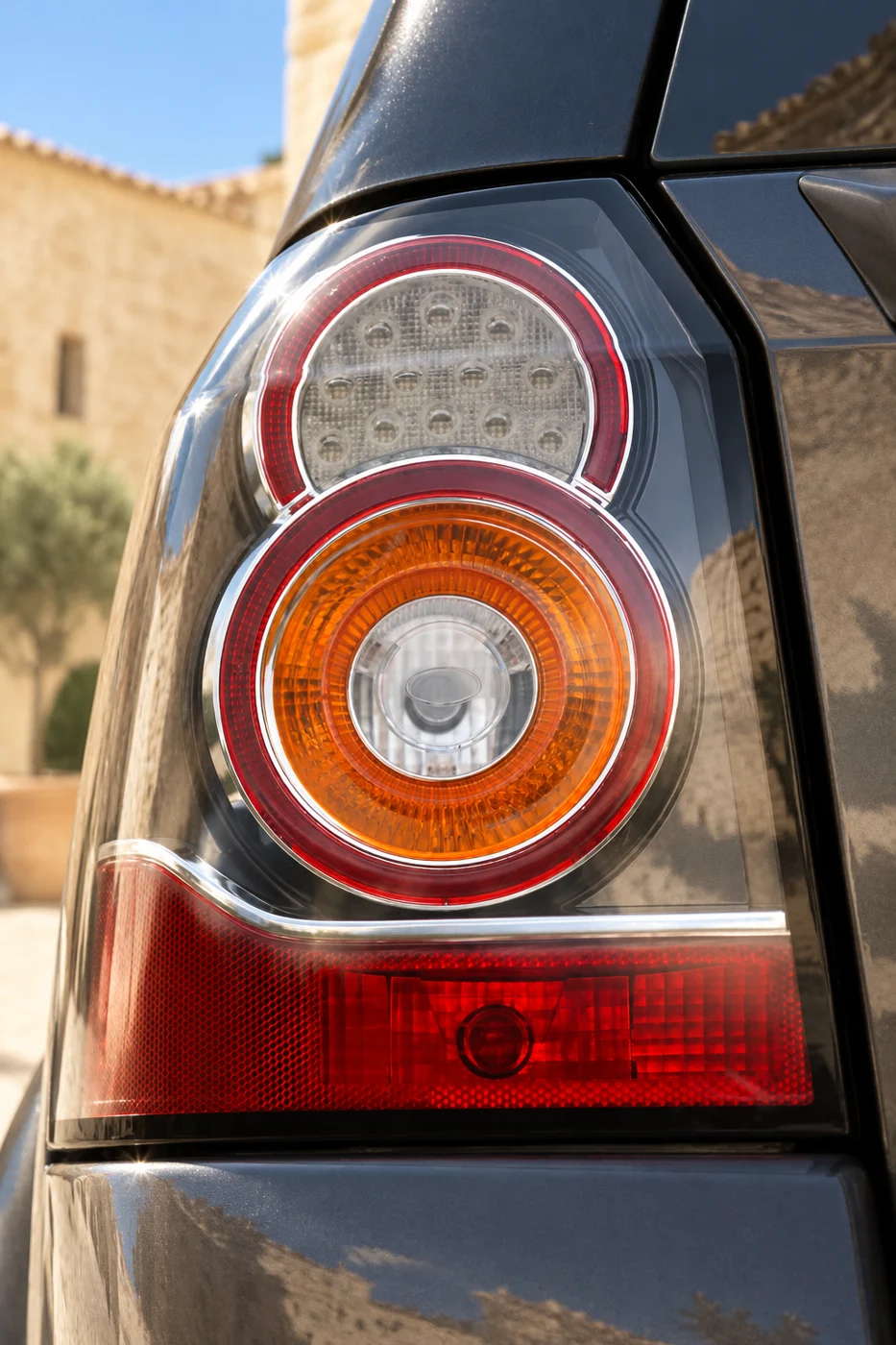
The facelift retained the Freelander 2’s upright proportions and conventional five-door layout. Changes to the headlamps, rear lamps, grille finish, foglamp surrounds and side-vent detailing made it identifiable without turning it into another model. The front running-light graphics and revised rear lamps used LED technology.
New colours included Aintree Green, Havana and Mauritius Blue. Wheel and trim details depended on the market and derivative: the British XS received a new 17-inch design, while Dynamic and HSE Lux had their own larger-wheel treatments. A single press photograph therefore should not be used as a specification list for the entire range.
Passive Start removed a step from the starting routine
Previously, the driver used a docking arrangement for the key. With Passive Start, an authorised key could remain inside the vehicle while the engine was started using the button. The practical change was the removal of the requirement to insert the fob into its dock as part of normal starting.
Passive starting and passive entry are separate functions. The launch’s statement about replacing the dock does not by itself mean that every updated Freelander could also be unlocked simply by touching a door handle. Likewise, the existence of a start button does not establish that any particular fob can be programmed to any vehicle.
For an existing car, a key-recognition symptom should be described precisely: whether the remote buttons work, whether the dashboard wakes up, whether the ignition turns on and whether the engine cranks. Those observations separate several different stages that are easily collapsed into the phrase ‘the key does not work’. Our Smart Key diagnostics page explains the enquiry context without promising one universal remedy.
An electric parking brake with control logic
The new parking brake used a switch and freed space around the centre console. Its significance went beyond the switch shape. Land Rover described control that adjusted clamping force for the slope and accounted for hot brakes: the system could wake periodically as they cooled to maintain the required holding force.
The launch also described an emergency-braking function and a safeguard associated with the driver’s seat being occupied before release. These are features of an integrated system, rather than a reason to treat the switch as an isolated replacement part. The appropriate operating instructions remain those for the particular vehicle.
Nothing in the announcement identifies a known fault, a required adaptation or a repair procedure. A historical feature description should not be converted into an instruction to replace components whenever a parking-brake warning appears.
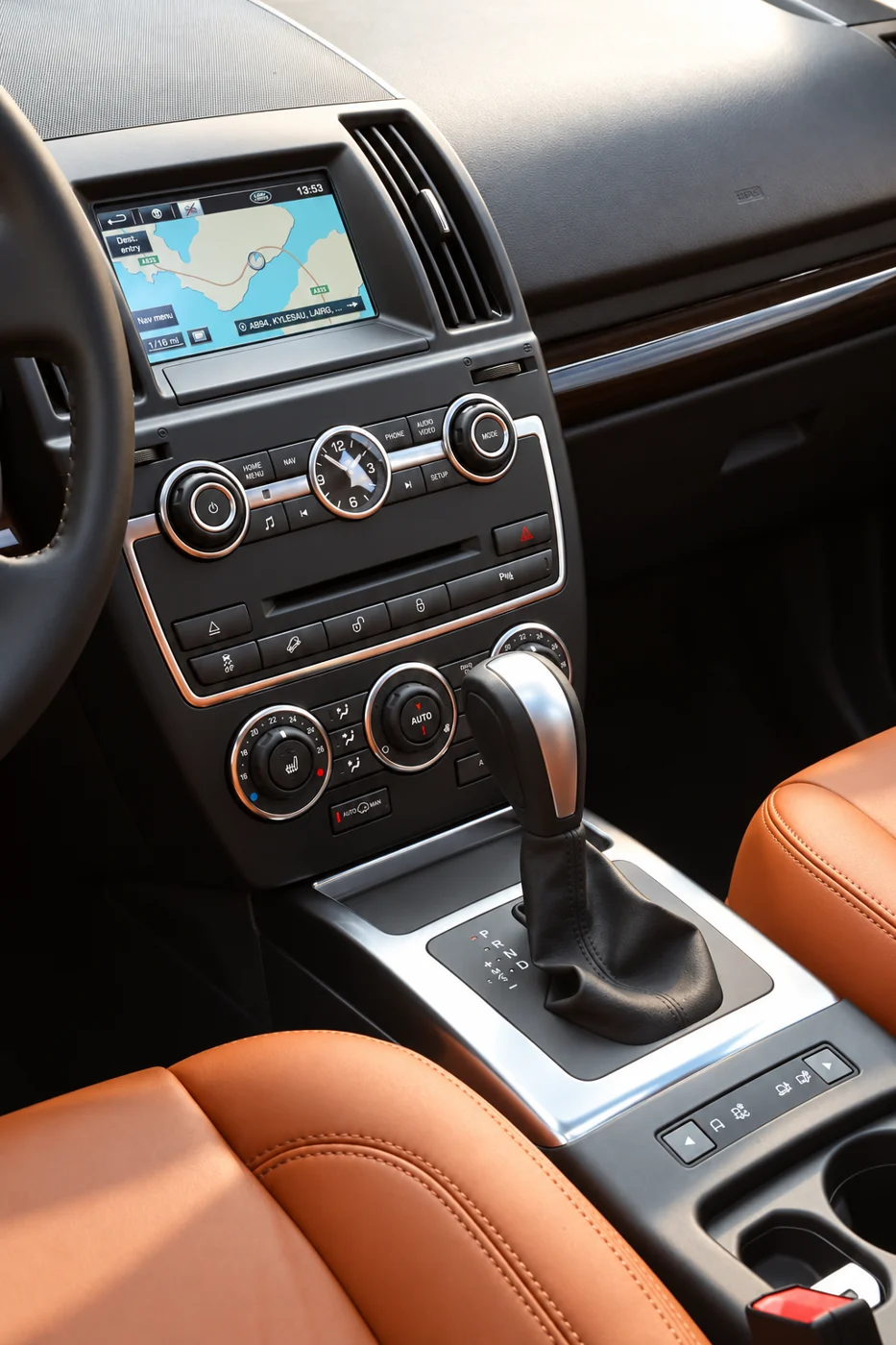
The centre console and instruments had different jobs
The original Terrain Response rotary selector gave way to buttons in the redesigned console. The automatic transmission still used its own conventional gear lever. These are distinct controls; the facelift did not introduce a rotary transmission selector simply because other contemporary Land Rovers used one.
The updated instrument cluster included a five-inch information display between the main dials. It presented vehicle information such as the selected gear and Terrain Response mode, with steering-wheel controls used for menus. The media installation could use a seven-inch touchscreen, but the British entry audio system had a five-inch colour display.
That creates an important distinction when reading period descriptions: a five-inch instrument display, a five-inch base-audio screen and a seven-inch higher-specification touchscreen are not three descriptions of the same panel. Equipment had to be checked against the derivative and market.
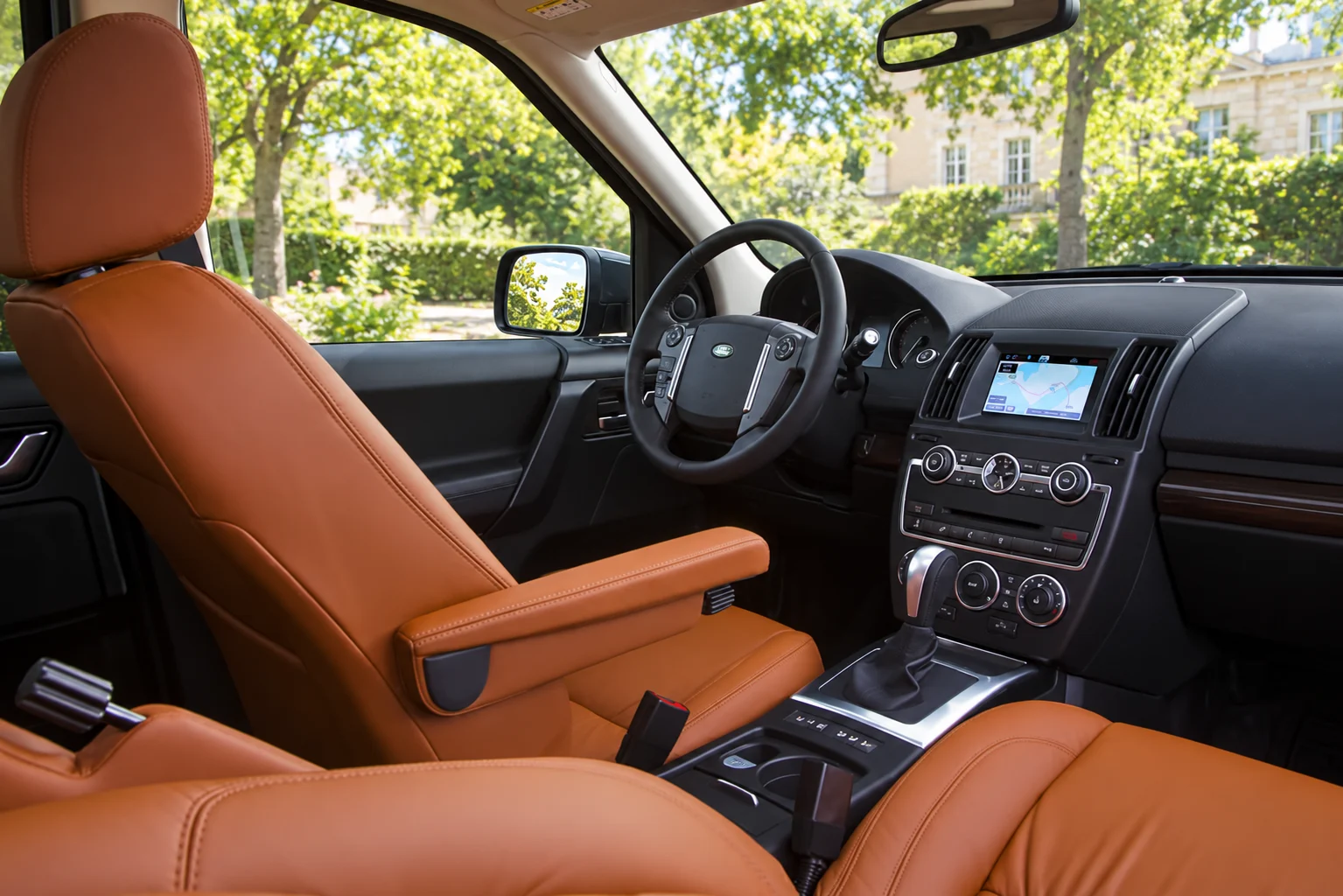
Meridian audio and navigation
Meridian systems became available in two forms: an 11-speaker, 380-watt stereo system and a 17-speaker, 825-watt surround system with Trifield processing. Both included a subwoofer and audio tuning for the cabin. The British entry installation was described separately as an 80-watt, eight-speaker system.
The media features belonged to their time: disc playback, USB and iPod connectivity, auxiliary input, Bluetooth streaming and a hard-drive virtual-CD facility. Radio formats also varied, with DAB mentioned in the British specification and HD/Satellite radio in the American release. These details should not be replaced by claims of factory smartphone projection.
The faster hard-drive navigation system offered functions including ECO route planning, dynamic zoom, lane guidance and stored points of interest. Say What You See supplied on-screen prompts for spoken commands. It was a guided command interface, not a claim that the car understood unrestricted natural speech.
The rear camera helped with both parking and hitching
A newly available rear-view camera displayed the area behind the vehicle on the infotainment screen. Dynamic guidance lines indicated the predicted path, while Hitch Assist added a graphic representing the tow-ball position. It remained an aid to observation, rather than an automatic hitching mechanism.
The international announcement also listed a seven-day timed-climate feature. As with navigation and audio, the sensible reading is availability within the relevant specification, not a guarantee that every car built after the announcement has the feature. An equipment list for an individual vehicle is more useful than a general model-year label.
The British diesel range and American petrol range were different
British buyers continued with 2.2-litre diesels. TD4 offered 150 PS with four-wheel drive and either six-speed manual or automatic transmission. The 190 PS SD4 paired four-wheel drive with the six-speed automatic. The 150 PS eD4 used front-wheel drive and a six-speed manual with Stop-Start.
The international release explicitly excluded the new Si4 petrol engine from the UK. In the American LR2, the 2.0-litre turbocharged, direct-injection four-cylinder replaced the 3.2-litre naturally aspirated inline-six. The American figures were 240 hp and 250 lb ft, with an Aisin AWF21 six-speed automatic and Haldex-based four-wheel drive.
The petrol change therefore should not be presented as a replacement for every European diesel. Nor should all updated Freelanders be called four-wheel drive: eD4 was the front-drive option. The existing diesel engines had received their major preceding changes for 2011; the 2012 announcement did not turn those earlier modifications into new engine launches.
| Market/version in the launch material | Engine | Driven wheels / transmission |
|---|---|---|
| UK eD4 | 2.2 diesel, 150 PS | Front-wheel drive; six-speed manual |
| UK TD4 | 2.2 diesel, 150 PS | Four-wheel drive; six-speed manual or automatic |
| UK SD4 | 2.2 diesel, 190 PS | Four-wheel drive; six-speed automatic |
| US LR2 | 2.0 turbo petrol, 240 hp | Four-wheel drive; six-speed automatic |
Dynamic and HSE Lux expanded the choice
In the British range, Dynamic combined a body-styling kit, gloss-black exterior details, 19-inch wheels and three sports-themed leather colour schemes. HSE brought wood trim, panoramic roof, memory features and the 825-watt system. HSE Lux added Windsor leather, Grand Black Lacquer trim, premium mats and its own 19-inch wheels.
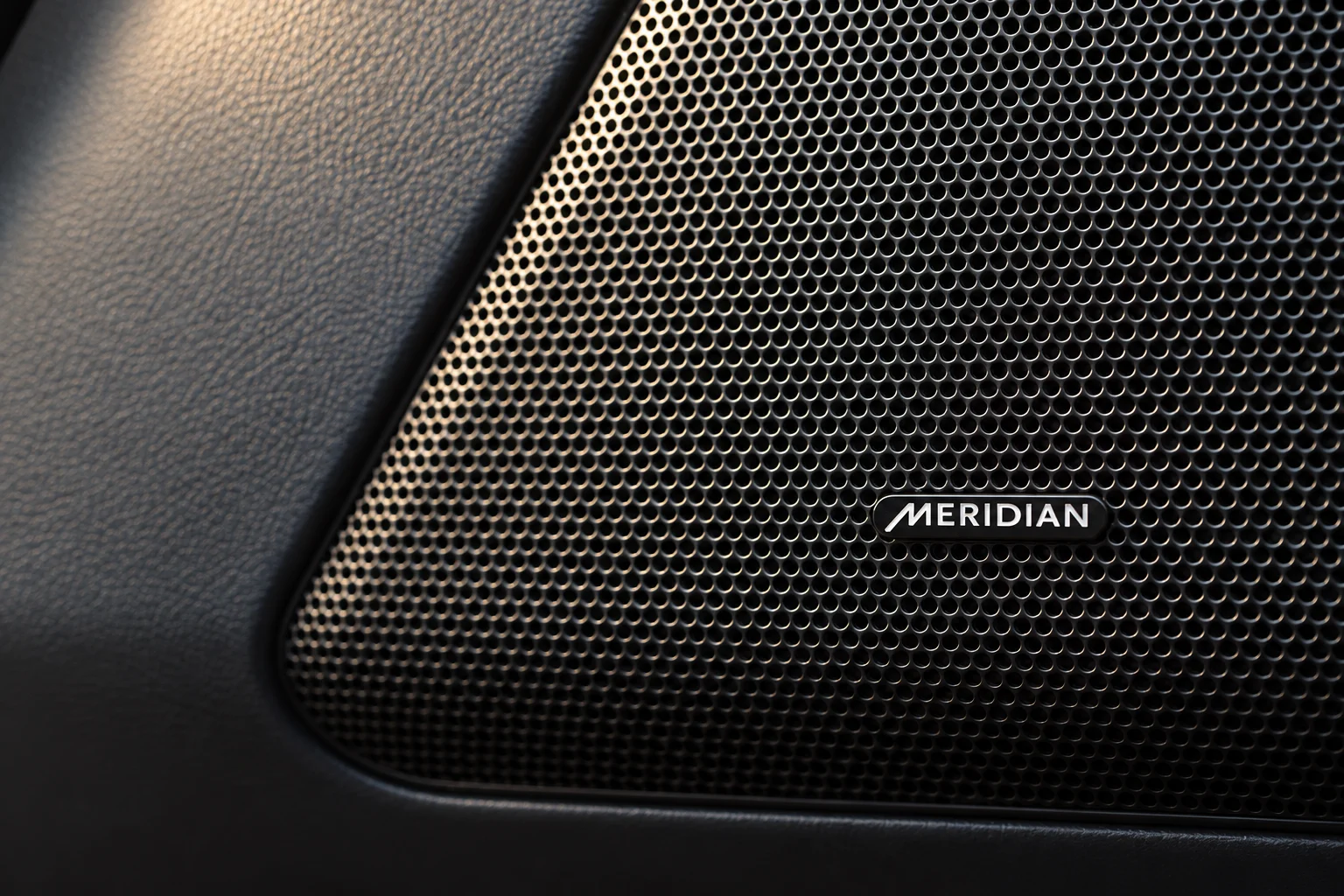
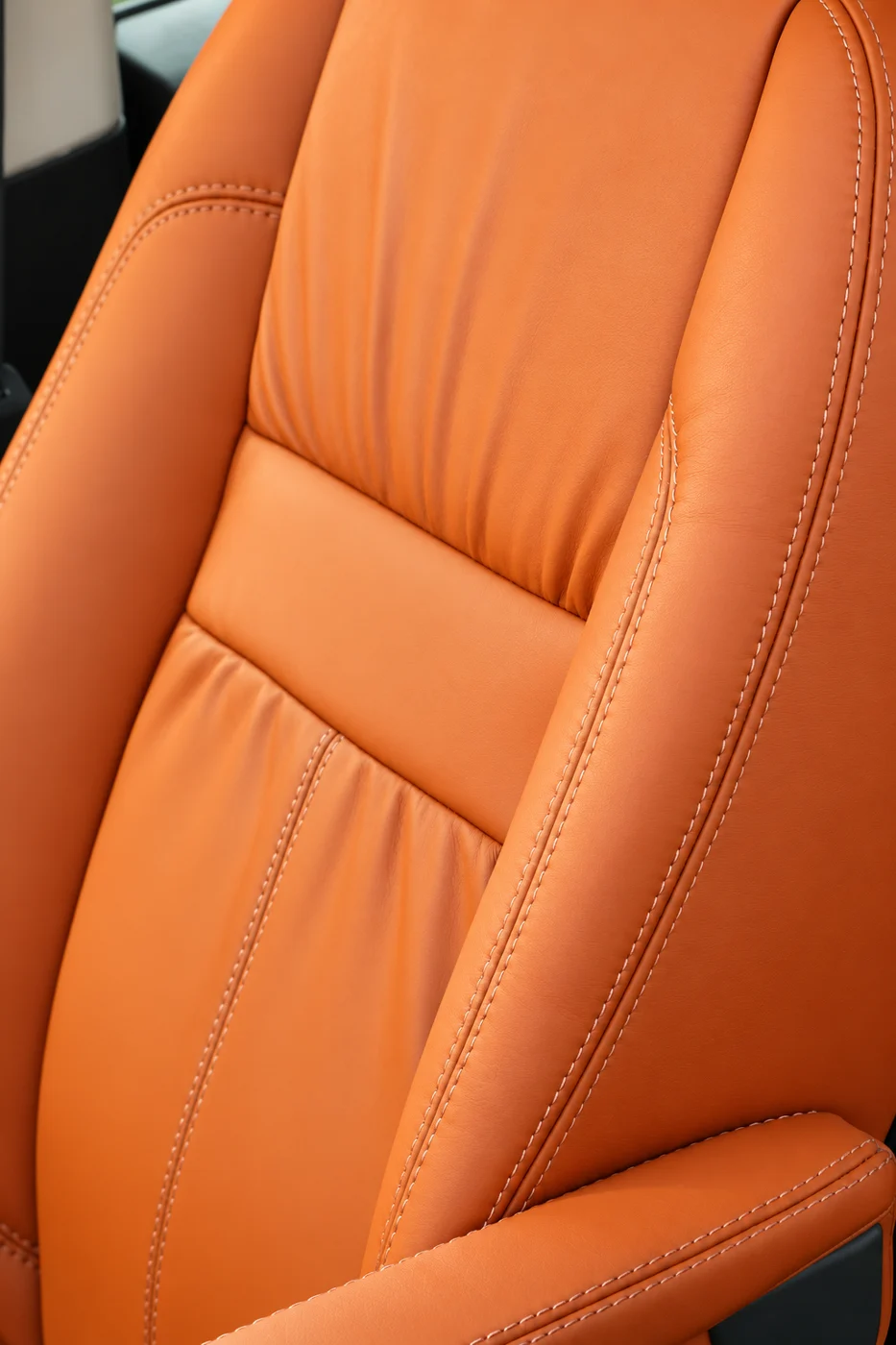
These names described equipment levels within the updated range. They did not replace the need to identify the engine, transmission and drive layout. The orange leather and revised controls in the period interior images help show the new cabin, but they cannot prove the specification of a different vehicle.
The update’s lasting significance
The Freelander 2 facelift brought a substantial change in how the driver interacted with an established vehicle. Key docking, parking-brake operation, instrument menus, media controls and camera assistance all changed together. Its engineering story is therefore richer than a fresh set of lamps or an extra trim badge.
When describing one today, distinguish the production specification from the registration year and the market name: an American LR2 and a British Freelander 2 shared the platform, but their engine and equipment lists differed. That is the most reliable starting point for identifying parts, understanding features and preparing a useful electronics enquiry.
Illustrations recomposed from period press imagery. Image licence.