JAGUAR / ALL-WHEEL DRIVE
Jaguar XF and XJ AWD: how the rear-biased system worked
The new system added a front drive path while keeping the rear axle central to the XF and XJ’s layout.
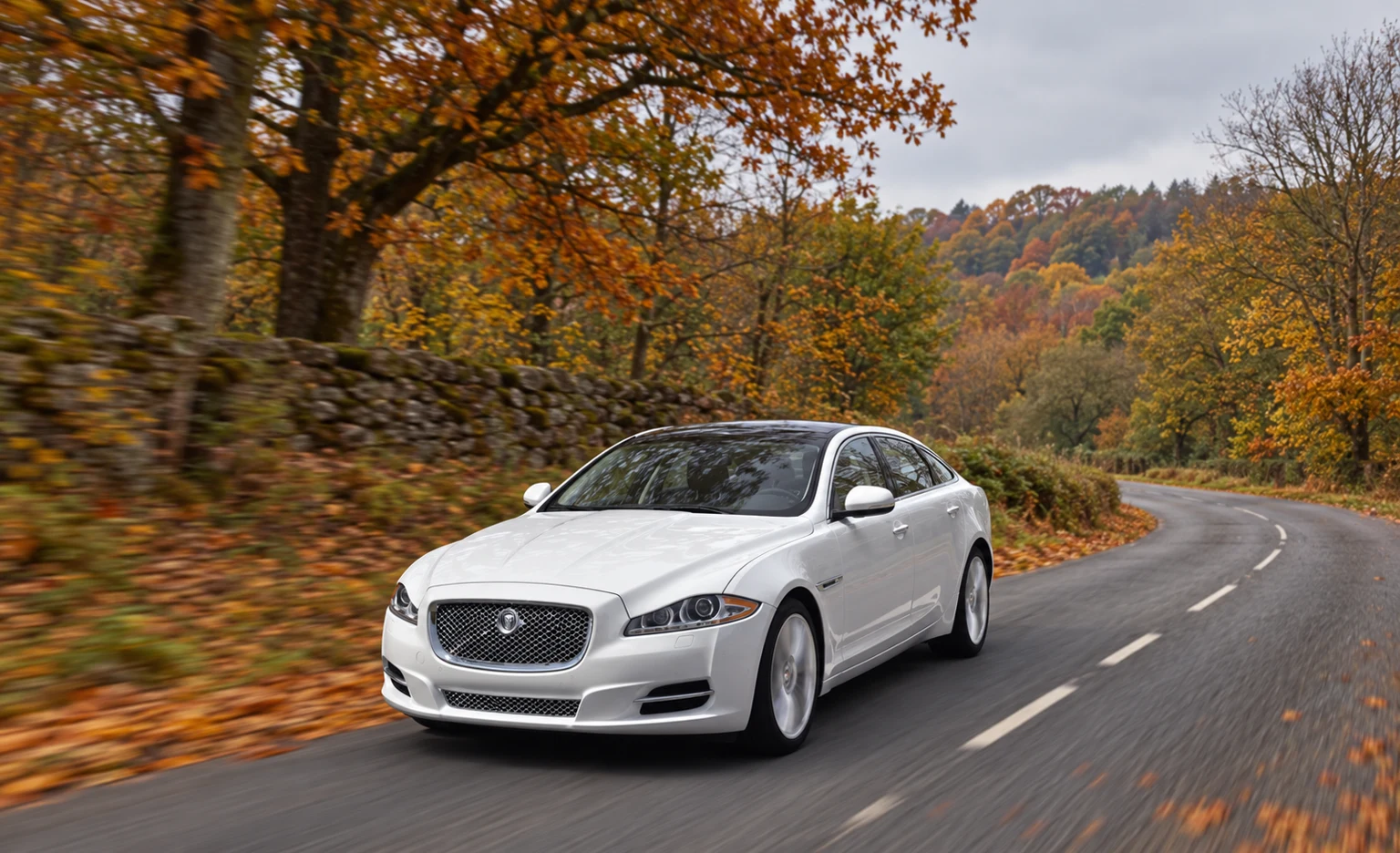
Jaguar announced all-wheel drive for the XF and XJ on 16 August 2012, then displayed the cars at the Moscow motor show later that month. The system targeted selected markets, including North America, Russia, China and continental Europe, where buyers wanted greater traction in difficult weather.
It was introduced with a specific powertrain: the new 340PS 3.0-litre supercharged V6, an eight-speed automatic and Intelligent Stop/Start. This was not a range-wide conversion of every diesel, V8 or body style. The technical story was how Jaguar integrated a second driven axle into saloons developed around a longitudinal engine and rear-wheel drive.
At a glance
- Announcement: 16 August 2012; Moscow motor-show presentation: 29 August.
- 340PS supercharged 3.0-litre V6 with 450Nm.
- Eight-speed automatic and Intelligent Stop/Start.
- Rear-biased operation, with torque distribution up to 50:50 front/rear.
- Available in selected markets; XJ covered standard and long wheelbases.
A transfer case created the additional drive path
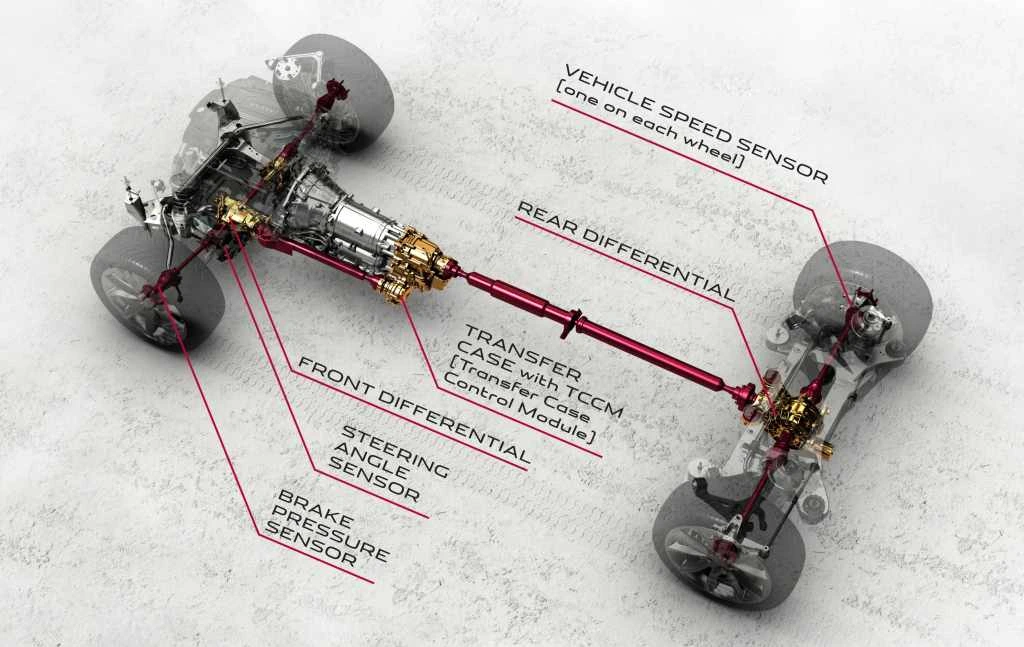
The rear axle remained the primary mechanical route for the engine’s output. A transfer case attached to the automatic transmission incorporated a controlled multi-plate clutch, directing torque through an additional shaft to the front differential and driveshafts.
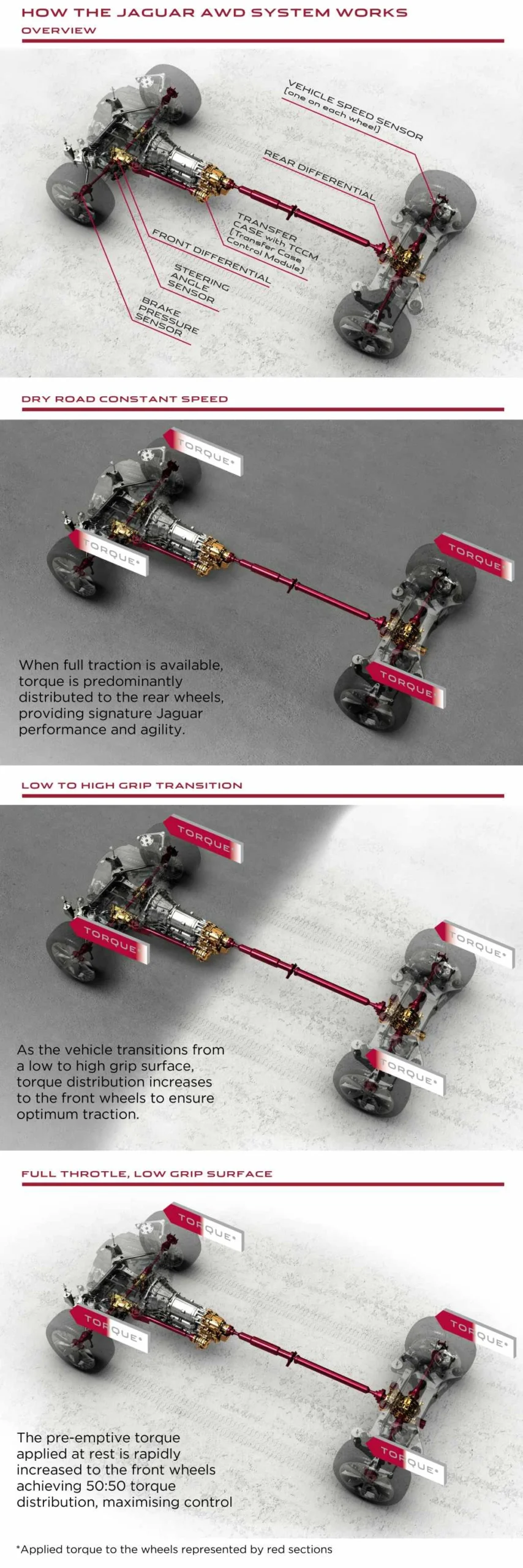
That arrangement is different from describing the car as permanently locked in an equal split. The clutch allowed the control system to vary how much drive reached the front axle. In normal-grip running at speed, the system favoured the rear wheels. When conditions required it, the distribution could reach 50:50.
The transfer-case control module, identified as TCCM in Jaguar’s technical illustration, coordinated this behaviour. The drivetrain therefore depended on both mechanical components and communication with the vehicle’s existing electronic systems.
Anticipation as well as reaction
Jaguar described a feed-forward strategy: the system used driver inputs and operating conditions to prepare torque distribution before a large wheel-speed difference developed. Some front-axle torque was anticipated during a standing start to help the car pull away consistently.
It also reacted to changing grip. Steering, throttle and wheel-speed information contributed to the control decisions, while the system monitored differences between the front and rear wheels. The aim was to make the additional front drive arrive with little disturbance to the driver.
Those were the manufacturer’s engineering objectives. They do not mean the car could prevent every slide or create grip where the tyres had none. The historical system description establishes its operating strategy, not an unlimited guarantee of stability.
Winter mode and stability control worked alongside AWD
Selecting Winter mode through Jaguar Drive Control warned the system that grip might be poor. Its calibration then favoured a greater front-axle contribution in anticipation of slip. The driver was choosing a control strategy rather than mechanically locking the axles together.
Dynamic Stability Control and the anti-lock braking system provided another layer of intervention by selectively braking individual wheels. This is distinct from changing the front/rear torque split at the transfer case. Both actions could support traction, but they operated through different parts of the vehicle.
Dynamic mode changed throttle and transmission response and, where fitted, Adaptive Dynamics damping behaviour. Jaguar’s technical material stated that AWD itself operated in Dynamic mode as it did in Normal mode. It would therefore be wrong to infer a new fixed torque split simply from the Dynamic setting.
The conversion reached much further than a badge
Packaging the front drive hardware required a new front subframe and crossmember, revised engine mounts and exhaust arrangements. Front driveshafts were routed through the engine sump area to keep the installation low. Other changes included revised pipes, hoses and underbody protection and acoustic treatment.
The engine control software also had to communicate with the active transfer case. Steering and suspension components were revised, including front uprights and assistance-related pipework. Front springs, dampers and anti-roll bars were changed; rear spring and damper settings were also adapted, with a revised rear anti-roll bar on XJ.
Adaptive Dynamics received dedicated calibration. In the international technical material it was standard on XJ AWD and optional on XF AWD. The shared AWD concept did not erase these differences between the two models.
Why the 340PS V6 was the launch partner
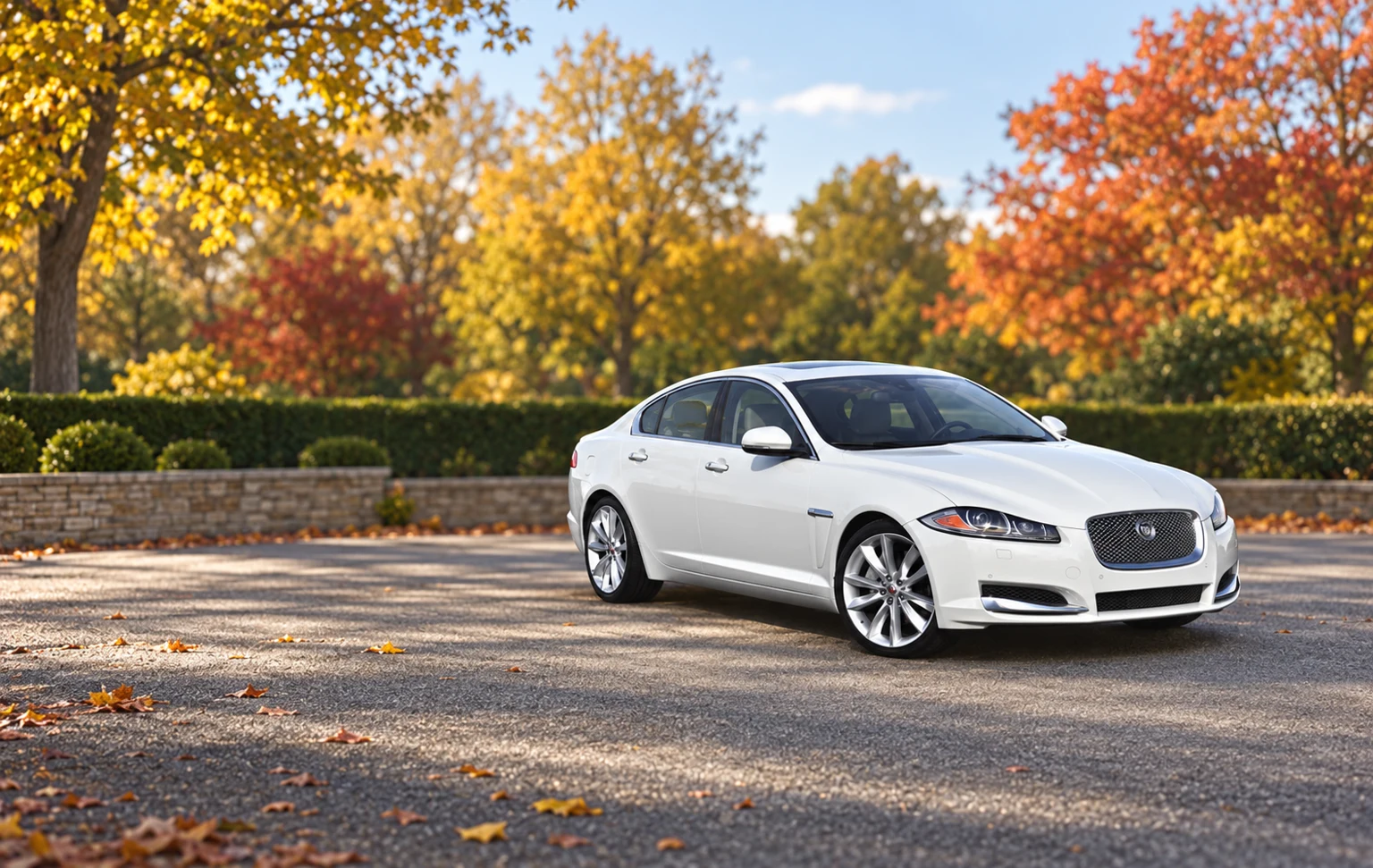
The 3.0-litre supercharged V6 supplied 340PS at 6,500rpm and 450Nm between 3,500 and 5,000rpm. It used direct injection, variable cam timing and a supercharger mounted within the V of the engine. Its integration with the eight-speed transmission provided a broad spread of ratios for the new AWD installation.
Intelligent Stop/Start formed part of the package. The associated starter and control strategy belonged to a coordinated vehicle system; an engine stopping automatically at a junction was an intended function under suitable conditions. Conversely, an actual starting fault cannot be diagnosed from the presence of a Stop/Start badge alone.
The engine’s launch is covered separately in our article on Jaguar’s new petrol engines. The AWD announcement added a particular drivetrain application, rather than another unrelated V6 design.
| Launch specification | XF AWD | XJ AWD |
|---|---|---|
| Engine | 3.0-litre supercharged V6 | 3.0-litre supercharged V6 |
| Power / torque | 340PS / 450Nm | 340PS / 450Nm |
| Transmission | Eight-speed automatic | Eight-speed automatic |
| Body scope in the announcement | Saloon | Standard and long wheelbase saloons |
| Adaptive Dynamics in international material | Optional | Standard |
Subtle appearance, substantial technical differences
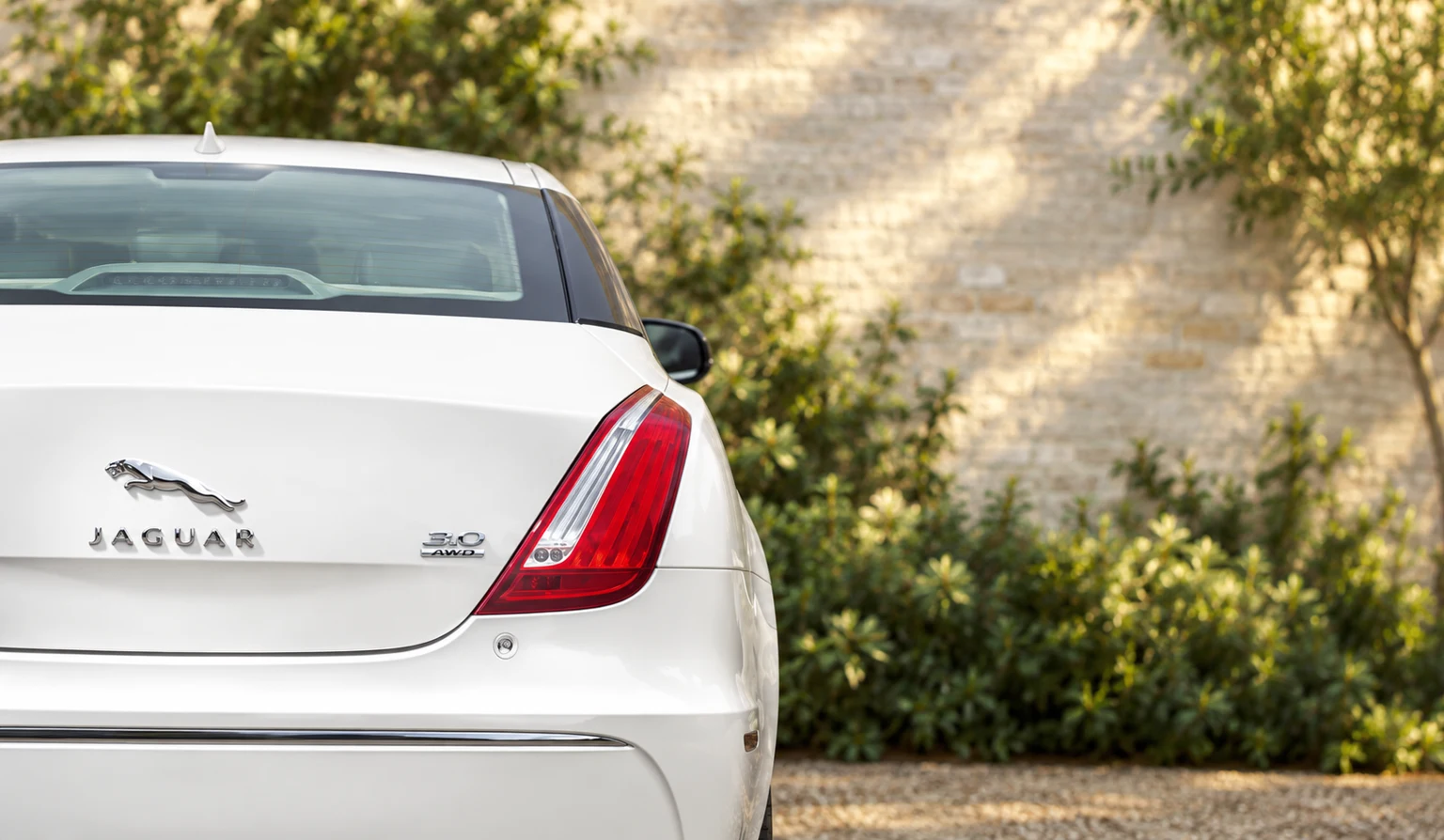
Jaguar identified the 3.0 AWD boot badge as the principal exterior distinction. The cars retained the familiar XF and XJ body designs, so the additional drivetrain was much less visible than its packaging and software work might suggest.
The development programme included 18 months of testing, with winter work near Arjeplog in Sweden and surfaces offering different grip on opposite sides of the vehicle. Those details explain the engineering process. They are not our own test experience, and a recreated illustration should not be mistaken for a photograph of a particular test.
For an electronics or module enquiry involving one of these cars, identify the exact model, engine and AWD configuration. Our communication diagnostics page provides the relevant service context. A rear-wheel-drive vehicle and an AWD vehicle should not be assumed to share every control module or calibration simply because the body looks similar.
Vehicle illustrations recomposed from period press imagery; technical diagrams retained intact. Image licence.